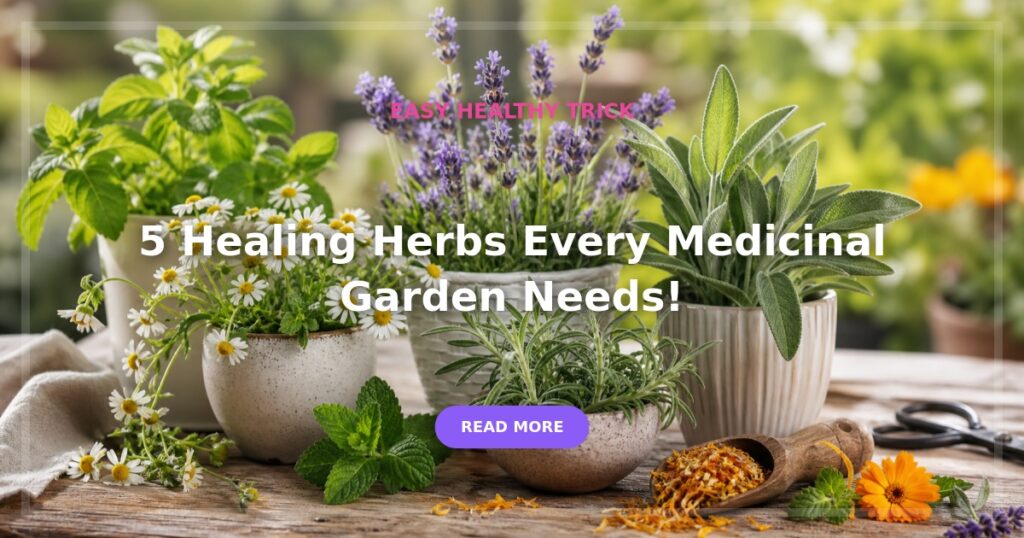
5 Healing Herbs Every Medicinal Garden Needs!
Creating a medicinal garden can be incredibly rewarding, but many novice gardeners often feel overwhelmed. Do you want to tap into the healing power of nature but don’t know where to start? Whether you have a sprawling backyard or just a small balcony, establishing a beginner medicinal herb garden setup can transform your space into a healing oasis.
In this guide, we’ll explore five essential healing herbs that every medicinal garden should include. These easy-to-grow medicinal herbs for teas and remedies will help you build a thriving home apothecary, even in small spaces.
Key Takeaways
– Discover essential herbs that are perfect for beginners looking to create a medicinal garden.
– Learn how to design a healing garden that fits into small spaces without sacrificing aesthetics or functionality.
– Gain insight into easy-to-grow medicinal herbs suitable for personal teas and health remedies.
– Unlock the full potential of your garden with the right tools—check out the Mediccal Garden Kit for an excellent resource!
Why Grow A Medicinal Herb Garden?
Gardening is not just a hobby; it’s a way to connect with nature and harness the power of plants for your health. Many people are turning to herbal remedies in their quest for wellness. With a well-planned garden, you can access fresh herbs that support your health and well-being.
Perks of a Medicinal Garden:
- Accessibility: Fresh herbs are just a few steps away when you need a remedy.
- Cost-Effective: Growing your own herbs can save you money in the long run.
- Therapeutic Benefits: Gardening itself is therapeutic and beneficial for mental health.
- Light: Prefers full sun.
- Soil: Well-drained soil is essential.
- Watering: Be careful not to overwater.
- Light: Thrives in partial sun.
- Soil: Favors rich, moist soil.
- Watering: Keep the soil moist but not soggy.
- Light: Enjoys full sun.
- Soil: Well-drained, sandy soil works best.
- Watering: Water regularly but allow the soil to dry slightly between waterings.
- Light: Needs full sun.
- Soil: Prefers well-drained soil.
- Watering: Moderate watering; drought-resistant, once established.
- Light: Thrives in full sun or partial shade.
- Soil: Prefers rich soil with good drainage.
- Watering: Regular watering keeps the leaves lush.
Top 5 Healing Herbs for Your Medicinal Garden
1. Lavender
#### Benefits
Lavender isn’t just a fragrant addition to your garden; it’s renowned for its calming properties. Used for anxiety relief and improving sleep quality, lavender can also be brewed into calming teas.
#### Growing Tips
2. Peppermint
#### Benefits
This popular herb is great for digestion and has soothing effects for headaches. Peppermint tea is an excellent remedy for stomach discomfort.
#### Growing Tips
3. Chamomile
#### Benefits
Chamomile is famous for its ability to promote relaxation and support proper sleep. Its delicate flowers can be used to make soothing herbal teas.
#### Growing Tips
4. Echinacea
#### Benefits
Known for its immune-boosting properties, Echinacea can be made into tinctures or teas to help combat colds and the flu.
#### Growing Tips
5. Lemon Balm
#### Benefits
This herb is an excellent stress reliever and adds a refreshing flavor to teas. It’s also known for its potential antiviral properties.
#### Growing Tips
Healing Garden Design for Small Spaces
Establishing a healing herb garden in a limited area is entirely feasible. Here’s how to effectively design your space:
Small Space Garden Checklist
| Task | Description |
|---|---|
| Choose Containers | Opt for pots with good drainage for each herb. |
| Select Your Herbs | Pick the five herbs mentioned for a balanced start. |
| Vertical Gardening Setup | Use wall planters or tiered stands to save space. |
| Sunlight Assessment | Identify the sunniest spot for maximum exposure. |
| Watering Schedule | Establish a consistent watering routine. |
Cultivating Your Home Apothecary
As you grow your beginner medicinal herb garden setup, consider creating a personal apothecary. Start by harvesting your herbs, drying, or using them fresh for teas and tinctures.
Simple Steps to Create Your Home Apothecary
1. Gather Supplies: Get your medicinal herbs, jars, labels, and kitchen tools.
2. Harvest at Optimal Times: Pick herbs in the morning when their essential oils are most potent.
3. Drying and Storing: Use a dehydrator or air dry your herbs before storing them in sealed containers.
4. Create Infusions and Tinctures: Experiment with different combinations to find your preferred remedies.
Frequently Asked Questions (FAQ)
1. How do I start a medicinal herb garden if I’m a beginner?
Starting a medicinal herb garden is simple! Choose one or two of the herbs mentioned, and gather basic supplies like pots, soil, and watering cans. Follow the growing tips provided, and soon you’ll have herbs thriving in your home.
2. Can I grow medicinal herbs indoors?
Absolutely! Many medicinal herbs can thrive indoors, given sufficient sunlight. Consider using grow lights if natural sunlight is lacking.
3. How do I incorporate these herbs into my daily routine?
Incorporate your herbs into daily teas, tinctures, and even cooking. For instance, a calming chamomile tea or a refreshing peppermint infusion can easily become part of your evening wind-down routine.
Conclusion
By adding these five healing herbs to your medicinal garden, you’ll create a versatile space that not only enhances your home but also supports your health. Remember, small spaces can yield big results, and with the right setup and tools, like the Mediccal Garden Kit, you can successfully cultivate a healing garden that meets your needs.
Get started today, and unlock the healing power of plants! You never know how these little green wonders can change your life.