Backyard Pharmacy: 10 Useful Herbs You Can Grow at Home
Affiliate disclosure: This article may contain affiliate links. If you click through and make a purchase, LivingWithGreens may earn a commission at no extra cost to you. Links in this article point to our internal review page first, not directly to a raw affiliate checkout.
A backyard pharmacy is a charming phrase for a garden filled with herbs that have traditional uses, practical harvests, strong fragrances, pollinator value, and educational appeal. It does not mean your backyard replaces a pharmacy, medicine cabinet, doctor, or professional care. It means you are growing a living collection of useful plants and learning how people have valued them through history.
Medical safety disclaimer: This article is for gardening and education only, not medical advice. Herbs can have side effects, allergies, and interactions, and not every herb is safe for every person or every use. Do not use herbs to diagnose, treat, cure, or prevent disease. Consult a qualified healthcare professional for medical questions, especially if pregnant, nursing, taking medication, or managing a health condition.
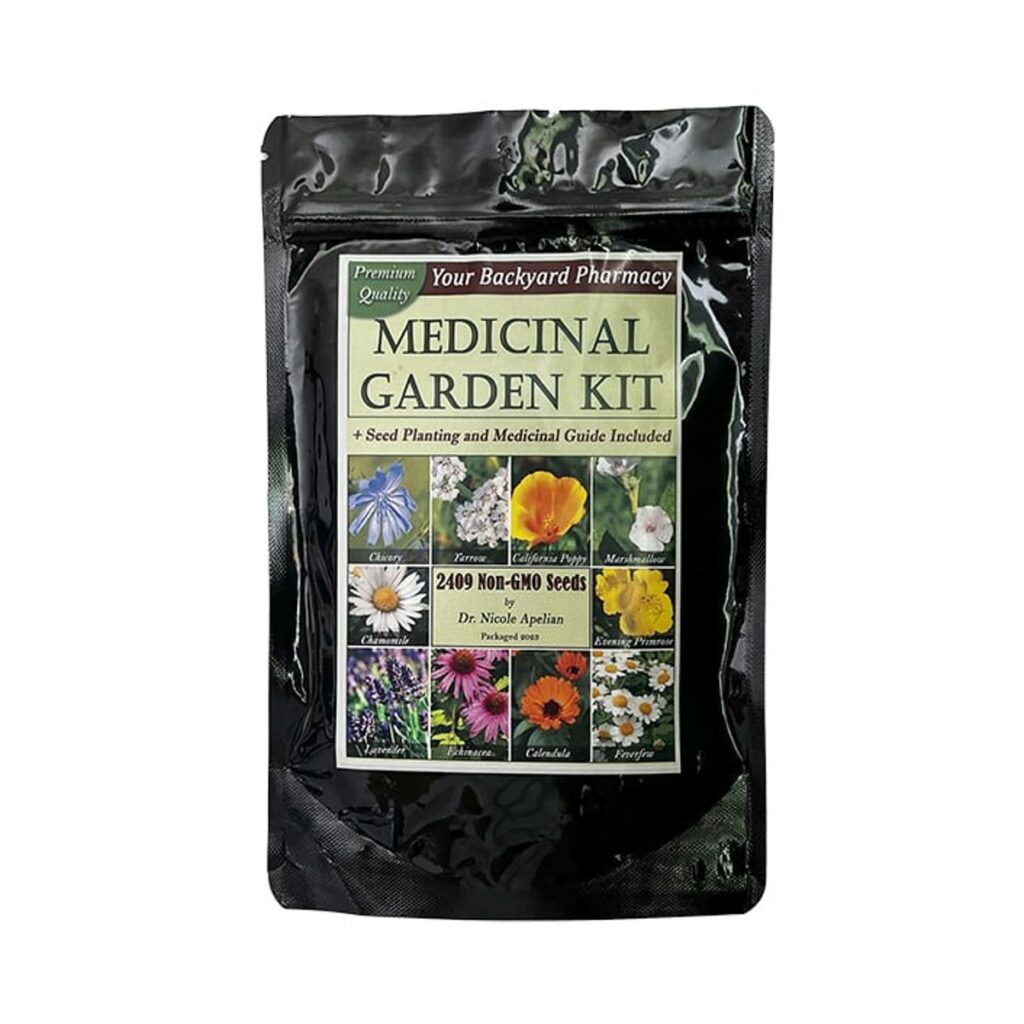
If you want a curated way to start growing a themed herb garden, you can Read the Medicinal Garden Kit Review.
What Does “Backyard Pharmacy” Really Mean?
The term backyard pharmacy is popular among homesteaders, herbal learners, and gardeners who enjoy the idea of growing traditional herbs close to home. The best way to understand it is as a home apothecary garden: a place to grow, observe, identify, harvest, dry, label, and study herbs responsibly.
A backyard pharmacy can include culinary herbs, pollinator flowers, aromatic plants, tea garden herbs, and plants with long folk traditions. It can be a raised bed, a cottage garden border, a few containers, or a dedicated herb patch.
The key is responsible language and responsible use. Your garden can support learning and self-reliance skills, but it should not create unrealistic health expectations.
1. Calendula
Calendula is one of the easiest and most cheerful herbs to grow. Its bright orange and yellow flowers bloom generously, attract pollinators, and dry beautifully for craft projects, infused oil practice, soap making education, and seasonal decorations.
Calendula is usually grown as an annual, though it may self-seed in friendly conditions. It prefers sun and reasonably well-drained soil. Harvest flowers when fully open and dry them in a single layer with good airflow.
For beginners, calendula is a confidence builder. It germinates readily, looks beautiful, and gives you many chances to practice harvesting.
2. Chamomile
Chamomile is a classic herb for tea gardens and traditional home apothecary collections. The small daisy-like flowers have a gentle apple-like scent and are lovely in borders, pots, or dedicated herb beds.
German chamomile is commonly grown as an annual, while Roman chamomile is a perennial in many areas. The seeds are tiny and often need light to germinate, so read your packet carefully before planting.
Chamomile teaches patience and careful handling. Its delicate flowers should be harvested gently and dried thoroughly before storage.
3. Lavender
Lavender brings fragrance, structure, and pollinator appeal to a backyard pharmacy garden. It is especially useful in sunny, dry locations where other plants may struggle.
Lavender prefers full sun, excellent drainage, and air circulation. It does not like heavy wet soil. If your climate is humid or your soil stays damp, consider growing lavender in a raised bed or container with a gritty, well-draining mix.
Harvest lavender when buds are formed but not fully open for the strongest dried fragrance. Bundles can be hung in a shaded, ventilated place.
4. Echinacea
Echinacea, also called coneflower, is a beautiful perennial that earns its place in both ornamental and traditional herb gardens. Its purple-pink flowers attract bees and butterflies, and the seed heads can add winter interest.
Echinacea may take time to establish from seed, so do not be discouraged if it grows slowly at first. Once established, it can return year after year in suitable climates.
Because echinacea is widely discussed in herbal traditions, it is a good plant for learning the difference between traditional use, modern research, and personal medical advice. Grow it, observe it, and study it responsibly.
5. Lemon Balm
Lemon balm is a fragrant mint-family herb with bright green leaves and a strong lemony scent. It is easy to grow and enjoyable to brush with your hand as you walk by.
Because lemon balm can spread, many gardeners keep it in a pot or contained bed. It tolerates partial shade better than many herbs but still appreciates good light.
Lemon balm is excellent for sensory gardens, children’s garden projects, and tea garden learning. Label it clearly and harvest leaves before flowering for the best aroma.
6. Sage
Sage is a sturdy, silvery-leaved herb that belongs in many home gardens. It is both culinary and traditional, which makes it practical for beginners who want plants with multiple uses.
Sage prefers sun, moderate water, and well-drained soil. Avoid overcrowding it, because good airflow helps keep the plant healthy. Prune lightly to encourage bushy growth.
In a backyard pharmacy-style garden, sage adds structure and year-round interest in mild climates. Its leaves dry well and are easy to label and store.
7. Thyme
Thyme is compact, aromatic, and beginner friendly. It fits into containers, rock gardens, raised bed edges, and small spaces. It also supports pollinators when allowed to flower.
Thyme prefers full sun and excellent drainage. It is drought tolerant once established, but young plants still need consistent moisture while rooting.
For a backyard pharmacy theme, thyme is valuable because it connects kitchen gardening with traditional herb learning. It is one of the easiest herbs to use in everyday cooking, which helps beginners interact with their garden often.
8. Peppermint
Peppermint is vigorous, fragrant, and satisfying to grow, but it needs boundaries. Plant it in a container unless you are comfortable with it spreading aggressively.
Peppermint enjoys more moisture than many Mediterranean herbs and can tolerate partial shade. Harvest leaves regularly to keep the plant lush.
Because peppermint is familiar to many people, it is a useful teaching plant. It shows how powerful aroma can be and why accurate identification matters. Keep it labeled and separate from similar mint-family plants.
9. Yarrow
Yarrow is a hardy perennial with feathery leaves and clusters of small flowers. It is often included in traditional herb gardens and pollinator plantings.
Yarrow tolerates poor soil and dry conditions once established. In rich soil, it may grow floppy, so avoid overfeeding. It can spread in some gardens, so place it where you can manage it.
Yarrow is a good example of a plant that deserves respect. It has a long history of use, but that does not mean it is appropriate for everyone. Grow it for beauty, biodiversity, and study.
10. Marshmallow
Marshmallow is a tall perennial herb with soft leaves and pale flowers. It needs more space than compact herbs like thyme or chamomile, so plan carefully before adding it to a small garden.
It prefers moist but well-drained soil and can become a striking background plant. Because of its height, place it toward the back of a bed or in a dedicated herb patch.
Marshmallow is especially interesting for educational gardens because many people only know the word from candy. Growing the plant helps connect modern language with botanical history.
How to Design a Backyard Pharmacy Garden
Begin by grouping plants according to their needs. Lavender, thyme, and sage prefer sunny, well-drained conditions. Lemon balm and peppermint can handle more moisture and may be best in containers. Taller perennials like echinacea, yarrow, and marshmallow should be placed where they will not shade smaller herbs.
A simple layout might include:
- A sunny dry bed for lavender, thyme, and sage
- A flower section for calendula, chamomile, echinacea, and yarrow
- Containers for peppermint and lemon balm
- A back-row perennial spot for marshmallow
Always label plants clearly. In a backyard pharmacy garden, identification is part of safety.
Harvesting and Drying Tips
Harvest only from healthy, correctly identified plants. Use clean scissors and avoid harvesting from areas treated with pesticides or exposed to road runoff.
Dry herbs in a clean, shaded, airy location. Store them only when fully dry to reduce the risk of mold. Use labeled jars or paper bags with the plant name and date.
If you are new to drying herbs, start with small batches. Learning proper drying and storage is just as important as growing the plants.
Should You Start With a Kit?
A medicinal garden kit can make a backyard pharmacy project easier because it gives you a curated seed selection. Instead of building your list from scratch, you can start planting and learning sooner.
A kit is especially helpful if you are buying a gift, teaching children, or beginning your first herb garden. Over time, you can add individual seeds based on your climate, space, and interests.
To compare the featured option and decide if it fits your plans, Read the Medicinal Garden Kit Review.
Final Thoughts
A backyard pharmacy is best understood as a living classroom. It can teach plant identification, seed starting, harvesting, drying, pollinator awareness, and the history of traditional herbs. It can also make your outdoor space more beautiful and fragrant.
Keep expectations grounded. Grow herbs for education, gardening satisfaction, and practical home use. For health concerns, rely on qualified professionals and evidence-based care.
With a sunny corner, a few containers, and a thoughtful plant list, you can begin your own backyard pharmacy-style garden this season.
FAQ
What is a backyard pharmacy?
A backyard pharmacy is an informal term for a home garden of herbs with traditional uses. It is a gardening and educational concept, not a substitute for medical care or a real pharmacy.
What herbs should I grow first?
Calendula, chamomile, lemon balm, thyme, sage, and lavender are popular beginner choices. Choose based on your climate, sunlight, and available space.
Can I grow these herbs in containers?
Yes. Many herbs grow well in containers, especially peppermint, lemon balm, thyme, and calendula. Make sure pots have drainage holes and enough sunlight.
Are backyard pharmacy herbs safe to use?
Safety depends on the herb, the person, the preparation, and the intended use. Always identify plants correctly, research carefully, and consult a qualified professional for medical questions.
Is a medicinal garden kit good for a backyard pharmacy?
A kit can be a helpful starting point because it bundles a themed selection of seeds. It is especially useful for beginners who want less guesswork.