Best Medicinal Herbs to Grow for Beginners
Affiliate disclosure: This article may contain affiliate links. If you click through and make a purchase, LivingWithGreens may earn a commission at no extra cost to you. We send readers to our internal review page first so you can make an informed decision.
If you are new to herb gardening, the best medicinal herbs to grow are not the rarest or most complicated plants. The best beginner herbs are the ones you can grow, identify, harvest, dry, and learn from safely.
In this guide, “medicinal herbs” refers to herbs with traditional uses and a long history in home gardens, folk practices, tea gardens, and apothecary-style plant collections. This article is for gardening and education only. It is not medical advice. Herbs should not be used to diagnose, treat, cure, or prevent disease, and they are not a replacement for a doctor, pharmacist, or prescribed medication.
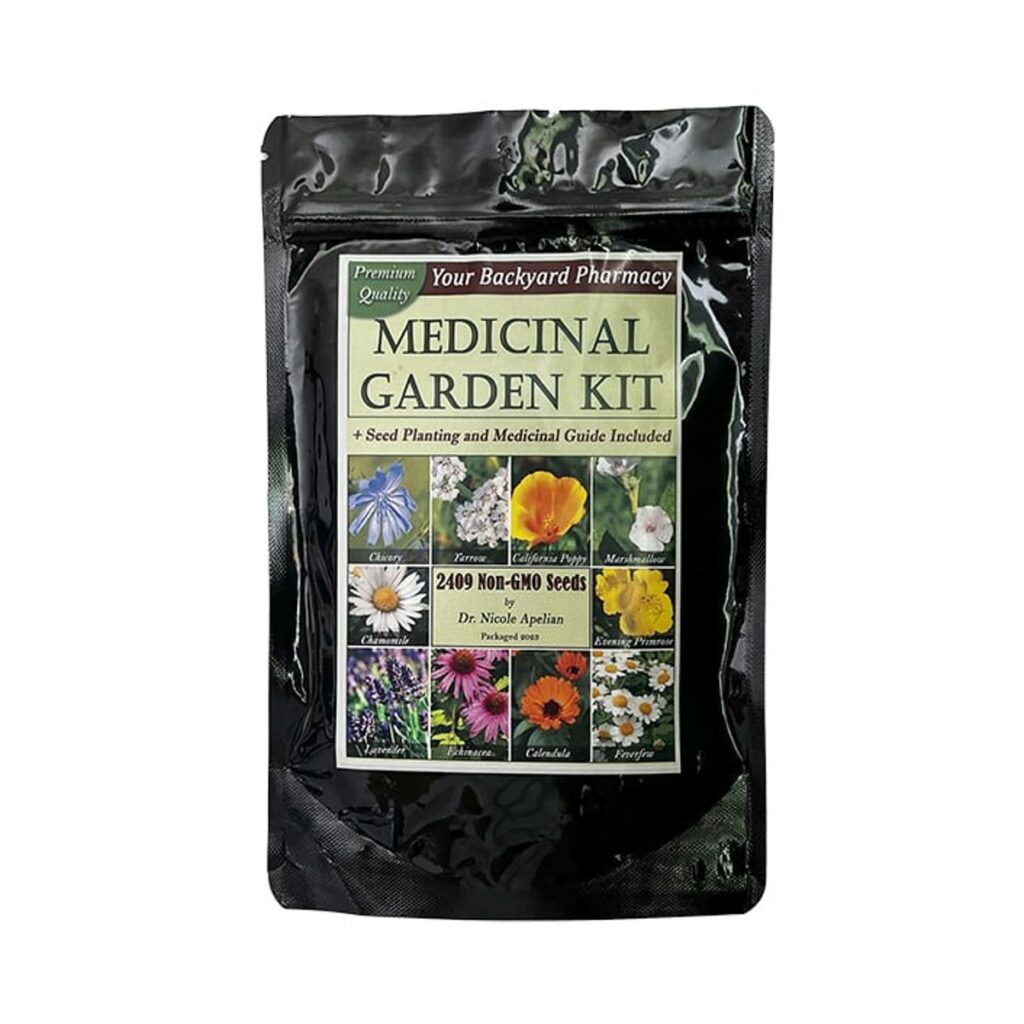
If you want a curated seed collection to start with, you can Read the Medicinal Garden Kit Review.
What Makes an Herb Beginner Friendly?
A beginner-friendly herb should meet several of these criteria:
- Germinates reliably or is easy to find as a starter plant
- Grows in common garden conditions
- Does not require complicated pruning or feeding
- Is easy to identify once mature
- Offers visible flowers, fragrance, or harvestable leaves
- Can grow in containers or small beds
- Has clear safety information available from reputable sources
Beginner friendly does not mean risk free. Even familiar herbs can cause allergies or interact with medications. Choose plants that make gardening easier while you learn safety responsibly.
1. Calendula
Calendula is often the first herb I recommend for beginners. It grows quickly, blooms beautifully, and produces cheerful flowers that are easy to harvest and dry.
Calendula prefers full sun but can tolerate some light shade. Direct sow it after frost danger has passed, or start it indoors a few weeks earlier. Deadheading spent flowers encourages more blooms.
For learning purposes, calendula is excellent. You can practice seed starting, flower harvesting, drying, labeling, and saving seeds. It also attracts pollinators, making it useful beyond the herb bed.
2. Chamomile
Chamomile is a classic tea garden herb with small daisy-like flowers and a gentle scent. It is a favorite for beginners who want a traditional apothecary garden feel.
German chamomile is commonly grown as an annual, while Roman chamomile is perennial in many climates. Chamomile seeds are tiny and usually should be barely covered, if at all, because they often need light for germination.
The main beginner challenge is patience. Seedlings may look delicate at first. Once established, chamomile can be productive and charming.
3. Lemon Balm
Lemon balm is one of the easiest herbs to grow. It has a bright lemon fragrance, soft green leaves, and a forgiving nature. It can handle partial shade and grows well in containers.
Because lemon balm belongs to the mint family, it can spread. Beginners should consider planting it in a pot to keep it manageable. Regular harvesting helps keep the plant bushy.
Lemon balm is especially good for sensory gardens and family gardens because the scent is easy to recognize. Still, label it clearly and learn its botanical identity.
4. Lavender
Lavender is beloved for its fragrance and purple flower spikes. It is one of the most popular herbs for beginners, but it has one major requirement: excellent drainage.
Lavender prefers full sun, lean soil, and airflow. It does not like wet roots. If your garden soil is heavy clay, grow lavender in a raised bed or container with a well-draining mix.
The reward is a beautiful perennial for dried bundles, sachets, craft projects, and pollinator support. Choose a variety suited to your climate.
5. Thyme
Thyme is compact, aromatic, and practical. It grows well in pots, raised bed edges, rock gardens, and sunny borders. It is also a familiar culinary herb, which makes it easy to use in everyday cooking.
Thyme likes full sun and well-drained soil. Once established, it can handle drier conditions. Avoid overwatering, especially in containers.
For beginners, thyme teaches the value of matching plants to conditions: give it sun and drainage, and it asks for little.
6. Sage
Sage is a sturdy perennial herb with gray-green leaves and a strong aroma. It works well in culinary gardens, pollinator gardens, and traditional herb beds.
Sage prefers sun, good drainage, and moderate watering. It benefits from airflow, so avoid planting it too tightly among thirsty or crowded plants.
Harvest leaves lightly once the plant is established. Dry them in small batches and label them clearly. Sage can become woody over time, so occasional pruning helps maintain shape.
7. Echinacea
Echinacea, or coneflower, is a beginner-friendly perennial if you are willing to be patient. It may take longer to establish from seed, but it can become a dependable garden feature once mature.
Its large flowers attract bees and butterflies, and the seed heads add texture after bloom. Echinacea prefers sun and reasonably well-drained soil.
This is a good herb for learning about perennial growth cycles. Do not expect everything in year one. Some plants are investments in future seasons.
8. Peppermint
Peppermint is easy to grow, aromatic, and useful in tea garden collections. It is also aggressive in open ground. For most beginners, peppermint belongs in a container.
It prefers consistent moisture and can tolerate partial shade. Harvest leaves regularly to encourage fresh growth.
Peppermint is a perfect example of why easy growth is not always the same as easy management. A pot keeps it useful without letting it overrun nearby herbs.
9. Yarrow
Yarrow is a tough perennial with feathery foliage and clusters of small flowers. It handles poor soil, supports pollinators, and adds a wildflower look to herb gardens.
Yarrow prefers sun and does not need rich soil. In fact, too much fertility can make it floppy. It may spread, so place it where you can manage its growth.
Because yarrow has a long traditional history, beginners should approach it with respect. Grow it for beauty and study, and seek qualified guidance before any health-related use.
10. Basil
Basil is not always listed in medicinal-style gardens, but it is one of the best herbs for beginners because it grows quickly, smells wonderful, and encourages frequent harvesting. It bridges culinary gardening and traditional herb learning.
Basil prefers warmth, sun, and regular moisture. Pinch the tips to encourage branching and delay flowering.
For a new gardener, basil builds confidence. It gives quick feedback and fits into meals easily, which keeps you connected to your garden.
Best Herbs for Containers
If you have limited space, focus on herbs that stay manageable or benefit from containment. Good container choices include:
- Lemon balm
- Peppermint
- Thyme
- Calendula
- Basil
- Lavender, if drainage is excellent
- Sage in a medium to large pot
Use containers with drainage holes. Fill them with potting mix, not heavy garden soil. Place them where they receive appropriate sunlight and check moisture often, since pots dry out faster than beds.
Best Herbs for a Raised Bed
Raised beds are excellent for herb gardens because they improve drainage and make harvesting easier. Consider grouping herbs by water needs.
A sunny raised bed can include calendula, chamomile, thyme, sage, lavender, echinacea, and yarrow. Keep spreading herbs like peppermint and lemon balm in separate pots unless you are prepared to manage them.
Leave enough room between plants. Good airflow reduces disease pressure and makes harvesting easier.
Should Beginners Start With Seeds or Plants?
Both options work. Seeds are affordable and teach the full plant life cycle. Starter plants are easier if you want faster results or are growing slow-germinating herbs.
A medicinal seed kit can be a useful middle ground. It keeps the cost and learning benefits of seeds while reducing the stress of choosing varieties one by one.
If you are brand new, consider starting some herbs from seed and buying one or two nursery plants for instant encouragement.
Safety Tips for Beginner Herb Gardeners
Herb safety begins with identification. Label every plant at sowing, transplanting, and harvest. If you lose track of a plant, do not use it internally or topically.
Follow these basic safety practices:
- Learn botanical names, not just common names
- Research each herb from reputable sources
- Avoid using herbs from pesticide-treated areas
- Dry herbs fully before storing
- Label jars with plant name and date
- Consult a qualified professional for medical questions
- Be cautious with children, pets, pregnancy, medications, and allergies
A beautiful herb garden should increase your respect for plants, not encourage risky shortcuts.
How a Medicinal Garden Kit Can Help
Choosing the best medicinal herbs to grow can be overwhelming because there are so many options. A curated kit simplifies the first step by bundling herbs around a theme. That can be especially helpful if you are buying a gift, planning a homeschool project, or starting a small home apothecary-style garden.
A kit is not magic. You still need sunlight, soil, water, patience, and proper labeling. But it can give you momentum and a clear place to begin.
To see whether the featured kit is a good fit for your garden goals, Read the Medicinal Garden Kit Review.
Final Thoughts
The best medicinal herbs to grow for beginners are herbs that teach you without overwhelming you. Calendula, chamomile, lemon balm, lavender, thyme, sage, echinacea, peppermint, yarrow, and basil all offer something valuable: beauty, fragrance, pollinator support, harvest practice, or everyday usefulness.
Start small. Label carefully. Take notes. Learn each plant’s growing needs and safety considerations before expanding. A beginner herb garden is not about mastering everything in one season. It is about building confidence one plant at a time.
FAQ
What are the best medicinal herbs to grow first?
Calendula, chamomile, lemon balm, thyme, sage, lavender, and echinacea are popular beginner choices. Choose based on your climate, sunlight, and space.
Are medicinal herbs hard to grow?
Many are easy to grow if matched to the right conditions. The most common mistakes are overwatering, poor drainage, too little sunlight, and planting too many varieties at once.
Can I grow medicinal herbs indoors?
Some herbs can grow indoors with strong light, but many prefer outdoor sun and airflow. Seedlings often do best under grow lights before moving outside.
Is it safe to use herbs I grow myself?
Only use herbs you can identify with certainty and have researched carefully. Consult a qualified professional for medical questions, especially with medications, pregnancy, nursing, allergies, or health conditions.
Is a medicinal seed kit good for beginners?
Yes, a medicinal seed kit can be helpful because it provides a curated starting point. It is still for gardening and education, not guaranteed health results.