Survival Seeds vs Regular Garden Seeds: What’s the Difference?
Affiliate disclosure: This article may contain affiliate links. If you click through and make a purchase, LivingWithGreens may earn a commission at no extra cost to you. We only link to our own review page first so you can compare details before deciding.
Survival seeds are often marketed as a smart backup for uncertain times, while regular garden seeds are usually sold for seasonal planting. At first glance, the packets may look similar. Both can include vegetables, herbs, and flowers. Both can help you grow useful plants at home. The real difference is not only what is inside the packet, but how the seeds are selected, packed, labeled, and intended to be used.
For gardeners who want more independence, a seed kit can be a practical starting point. It can also be confusing, especially when every product promises abundance. This guide explains the difference between survival seeds and regular garden seeds in plain English, with a focus on realistic home gardening rather than fear-based marketing.
What Are Survival Seeds?
Survival seeds are seed collections designed for long-term storage and practical food production. They are commonly packaged as emergency seed kits, preparedness seed vaults, or homestead seed collections. A good survival seed kit usually includes non-GMO, open-pollinated or heirloom varieties that can be grown, harvested, and saved for future planting.
The goal is not just to plant a pretty garden this weekend. The goal is to keep a diverse seed supply available for later use, especially if seed access becomes limited or expensive. Survival seeds are typically chosen for usefulness: vegetables that provide calories, herbs that support cooking, and sometimes plants traditionally grown for household wellness education.
That said, seeds are not magic. They need soil, water, light, temperature control, pest management, and gardening skill. A seed kit is a resource, not a guarantee of harvest.
What Are Regular Garden Seeds?
Regular garden seeds are the packets you find at garden centers, hardware stores, supermarkets, and online catalogs. They may be excellent quality. Many home gardeners grow beautiful and productive gardens with ordinary seed packets every year.
Regular seeds are often selected for seasonal appeal, flavor, color, popularity, or novelty. You might buy a packet of basil for summer pesto, cherry tomatoes for patio containers, or zinnias for pollinators. Some regular seed packets contain hybrids, some contain open-pollinated varieties, and some are treated for disease resistance or commercial performance.
The main difference is intention. Regular garden seeds are usually bought for immediate planting. Survival seeds are usually bought for both planting and storing.
Key Differences Between Survival Seeds and Regular Garden Seeds
1. Storage life
Survival seeds are often packaged for longer shelf life. Many kits use mylar bags, moisture barriers, resealable pouches, or containers that help protect seeds from humidity, light, and temperature swings. Regular seed packets are usually paper envelopes meant for retail display and short-term seasonal use.
Storage still depends on your conditions. Cool, dry, and dark storage matters more than branding. A survival seed kit kept in a hot garage may lose viability faster than ordinary seeds stored carefully in a refrigerator.
2. Seed type
Many survival seed collections emphasize heirloom or open-pollinated seeds. These are useful because gardeners can often save seeds from mature plants and replant them, assuming proper isolation and seed-saving methods.
Regular garden seeds may include hybrids. Hybrid seeds can be productive and disease resistant, but saved seeds may not grow true to type. That does not make hybrids bad. It simply means they are less ideal if your goal is seed independence.
3. Variety selection
A survival seed kit should include practical diversity: leafy greens, roots, legumes, squash, tomatoes, peppers, culinary herbs, and sometimes medicinal-style herbs for educational gardening. Regular seed purchases may be more random. You might buy what looks fun, what is on sale, or what fits one recipe.
For preparedness, variety matters. You want plants with different harvest windows, storage qualities, and growing needs. A kit with ten types of lettuce but no beans, carrots, or herbs is not balanced.
4. Labeling and instructions
Good survival seed kits should be clearly labeled with plant names, basic growing information, and seed counts. Some also include digital guides or planting charts. Regular garden seed packets often include excellent instructions, but if you buy many individual packets, organizing them becomes your responsibility.
If you are a beginner, clear labeling is more valuable than a huge seed count. A smaller kit you understand is better than a giant vault that sits unopened.
5. Cost and convenience
Survival seeds can cost more upfront because you are paying for bundled variety, packaging, storage materials, and convenience. Regular garden seeds may be cheaper per packet, especially if you buy locally and only choose what you need.
The better value depends on your goal. If you already know your climate and have a seed plan, individual packets may be ideal. If you want a curated starting point, a kit can save time.
Where Medicinal Garden Kits Fit In
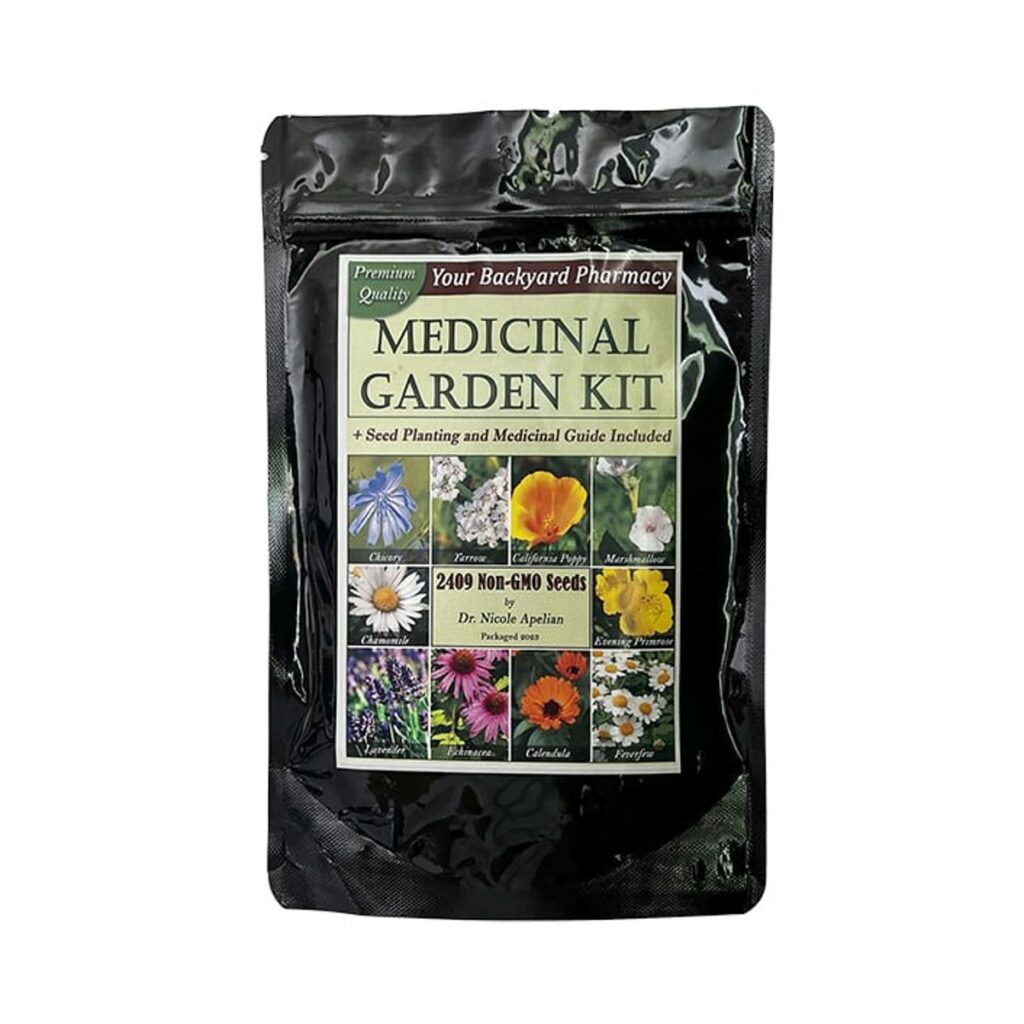
A Medicinal Garden Kit is a specialized type of seed kit focused on herbs and plants traditionally grown for home wellness education, teas, salves, aromatics, pollinator support, and botanical learning. It is different from a broad survival seed vault that focuses mainly on calories and vegetables.
Important safety note: A medicinal herb garden is for gardening and education only. Growing herbs does not mean you should diagnose, treat, cure, or prevent any disease at home. Herbs can interact with medications, pregnancy, allergies, and medical conditions. Always consult a qualified healthcare professional before using herbs internally or for health purposes.
If you are curious about a kit designed specifically around useful herbs rather than general vegetables, you can Read the Medicinal Garden Kit Review.
Which Option Is Better for Beginners?
For a new gardener, the best choice is the one you will actually plant, observe, and learn from. Survival seeds can feel reassuring, but they are only useful if you understand germination, soil preparation, watering, transplanting, and harvesting.
Regular garden seeds are often easier for immediate practice. You can start with fast-growing crops like basil, lettuce, radish, calendula, or bush beans. Once you have confidence, a survival or medicinal seed kit becomes more valuable because you know how to use it.
A practical beginner plan is to buy a small number of regular seed packets for this season and keep a curated seed kit as your longer-term library. Plant a few varieties from the kit each year so you can test germination and build experience.
How to Choose Quality Survival Seeds
Look for these features before buying:
- Non-GMO seeds from a transparent supplier
- Open-pollinated or heirloom varieties when seed saving matters
- Packaging designed to reduce moisture and light exposure
- Clear plant names, seed counts, and growing guidance
- A balanced mix of vegetables, herbs, and pollinator-friendly plants
- Realistic claims that avoid guaranteed harvest promises
- Instructions for storage and rotation
Be cautious with any product that relies on panic, exaggerated health claims, or impossible yield promises. Seeds are living materials. Even high-quality seeds can fail if stored poorly or planted in the wrong conditions.
How to Store Seeds for Better Longevity
Seed storage is simple but important. Keep seeds cool, dry, and dark. Avoid humid kitchens, sunny shelves, outdoor sheds, and hot garages. Use airtight containers with desiccant packs if possible. Label everything with the purchase date and any planting notes.
Check seed viability every year or two by germinating a small sample in a damp paper towel. If germination drops, plant more seeds or refresh your supply. Seed storage is not a one-time task; it is a rotation habit.
Final Thoughts
Survival seeds and regular garden seeds are not enemies. They serve different purposes. Regular garden seeds are great for seasonal growing, experimentation, and local adaptation. Survival seeds are designed for storage, diversity, and long-term planning. A medicinal seed kit adds another layer by helping you learn about useful herbs and traditional garden plants in a safe, educational way.
The smartest approach is balanced: grow what you can now, store what you may need later, and avoid products that promise more than seeds can deliver.
If you want to compare a herb-focused option, Read the Medicinal Garden Kit Review before choosing your next seed kit.
FAQ
Are survival seeds different from heirloom seeds?
Not always. Many survival seed kits include heirloom seeds, but “survival seeds” describes the purpose and packaging of the collection. “Heirloom” describes the seed variety and its history.
Can I plant survival seeds right away?
Yes. In fact, planting a small portion is a good way to test germination and learn how each plant grows in your climate.
Are regular garden seeds bad for preparedness?
No. Regular garden seeds can be excellent. For preparedness, choose open-pollinated varieties, store them properly, and learn seed-saving skills.
Do medicinal seed kits provide health benefits?
They provide gardening and educational value. They should not be used as a substitute for medical advice, diagnosis, or treatment.
What is the best seed kit for a small home garden?
Choose a kit with plants you will actually grow, clear instructions, good storage packaging, and varieties suitable for containers or raised beds if your space is limited.