Medicinal Herb Garden Layout Ideas for Small Spaces
Affiliate disclosure: This article may contain affiliate links. If you click through and make a purchase, LivingWithGreens may earn a commission at no extra cost to you. We direct readers to our internal review page first so you can make an informed decision.
A medicinal herb garden layout does not require a farmhouse, a huge backyard, or perfect soil. With thoughtful planning, you can grow useful herbs on a balcony, patio, windowsill, rooftop, side yard, or compact raised bed. The secret is to design around light, access, drainage, and plant behavior rather than trying to copy a large garden plan.
In this guide, “medicinal herb garden” means a garden of herbs traditionally grown for education, fragrance, tea rituals, crafts, pollinator support, and botanical learning. It does not mean a substitute for healthcare.
Safety Disclaimer Before You Plant
This article is for gardening and educational purposes only. It does not provide medical advice and does not claim that herbs diagnose, treat, cure, or prevent disease. Some herbs can be unsafe for certain people, interact with medications, or cause allergic reactions. Consult a qualified healthcare professional before using herbs internally, topically, during pregnancy, with children, with pets, or alongside medications.
Small-Space Design Principles
Before choosing a layout, understand four basic principles.
Light decides everything
Most herbs need at least six hours of sun. Lavender, thyme, sage, oregano, rosemary, basil, calendula, and echinacea all prefer strong light. Mint, lemon balm, parsley, cilantro, and chives can tolerate partial shade, especially in hot climates.
Track your light before planting. A balcony that looks bright may only receive two hours of direct sun. A windowsill may be too dim in winter. If light is limited, choose shade-tolerant herbs or add a grow light.
Drainage prevents failure
Small-space gardens often fail because containers stay too wet. Use pots with drainage holes and avoid decorative containers that trap water. Place saucers carefully and empty them after watering.
Mediterranean herbs need especially sharp drainage. If lavender keeps dying, the problem is often wet soil, not lack of attention.
Access matters
A compact garden should be easy to harvest, water, and inspect. Do not push every pot into a corner where you cannot reach the back row. If a plant is hard to access, you will forget it.
Plant behavior shapes the layout
Mint and lemon balm spread aggressively. Put them in separate pots. Tall plants can shade short ones. Thirsty herbs should not share a pot with drought-loving herbs. Group plants by needs, not just appearance.
Layout Idea 1: The Balcony Shelf Garden
A tiered shelf is one of the best medicinal herb garden layout options for apartments. It uses vertical space while keeping plants visible and organized.
Place sun-loving herbs on the top shelf: thyme, lavender, oregano, sage, and rosemary. Put moderate-light herbs in the middle: calendula, basil, chamomile, and parsley. Use the lower shelf for tools, extra pots, or shade-tolerant herbs if enough light reaches them.
Keep heavier pots on the bottom for stability. If your balcony is windy, secure the shelf and choose sturdy containers. Wind dries soil quickly, so check moisture often.
Best plants for this layout:
- Thyme
- Oregano
- Sage
- Calendula
- Basil
- Parsley
- Potted mint
Layout Idea 2: The Container Cluster
A container cluster is simple and flexible. Instead of planting everything in one bed, arrange individual pots in a group. This lets you move plants as the season changes.
Use larger pots for vigorous growers like mint, lemon balm, basil, and calendula. Use smaller terracotta pots for thyme, oregano, and sage. Place taller plants at the back or center and shorter plants near the front.
This layout works well on patios, decks, front steps, and rental homes. It is also beginner friendly because if one plant struggles, you can adjust only that pot.
Design tip: choose three pot sizes and repeat them for a calm look. Too many random containers can make a small space feel cluttered.
Layout Idea 3: The Raised Bed Apothecary Square
If you have room for a 3-by-3 or 4-by-4 raised bed, you can create a compact apothecary-style garden with clear zones. Divide the bed into a simple grid.
Example 4-by-4 layout:
- Back row: echinacea, holy basil, calendula
- Middle row: chamomile, sage, parsley
- Front row: thyme, oregano, chives
- Separate nearby pot: mint or lemon balm
Keep perennial herbs on one side so you do not disturb them when replanting annuals. Put frequently harvested herbs near the front edge. Add stepping stones around the bed so you never compact the soil.
A raised bed is a good choice if you want more soil volume, better drainage, and a garden that feels permanent without taking over the yard.
Layout Idea 4: The Windowsill Tea Garden
A windowsill garden is ideal for people with no outdoor space, but it must be realistic. Many herbs become weak indoors without enough light. Choose compact herbs and provide a grow light if needed.
Good windowsill candidates include basil, parsley, chives, thyme, and small mint cuttings. Chamomile and calendula usually prefer more light and root space than a narrow sill provides.
Use matching containers with drainage and a waterproof tray. Rotate pots every few days so plants grow evenly. Avoid placing herbs directly against cold glass in winter or above a strong heater.
This layout is best for small harvests, fragrance, and daily connection rather than large production.
Layout Idea 5: The Vertical Pocket Garden
Wall pockets, hanging planters, and vertical towers can work for compact herbs if drainage is excellent. They are attractive and space saving, but they dry out quickly and may not suit woody herbs long term.
Use vertical pockets for shallow-rooted herbs such as thyme, oregano, parsley, and chives. Avoid aggressive spreaders like mint unless each pocket is isolated and easy to maintain. Avoid large plants that need deep roots.
Place the vertical garden where water can drain safely. A wet wall can create damage or mold. Outdoor vertical gardens are usually easier than indoor ones.
Layout Idea 6: The Pollinator Border
If you have a narrow strip along a walkway, fence, or driveway, turn it into a pollinator-friendly medicinal-style herb border. This layout combines beauty with function.
Plant taller flowers and herbs toward the back: echinacea, bee balm, holy basil, or calendula. Use mid-height herbs like sage and chamomile in the middle. Edge the border with thyme, oregano, or chives.
This layout attracts beneficial insects and makes harvesting convenient. It also looks intentional, which is helpful for front-yard gardens or shared spaces.
Layout Idea 7: The Kitchen Door Herb Station
The best garden is the one you use. A kitchen door herb station places your most-used plants within arm’s reach. Use a small table, crate, railing planter, or group of pots near the entrance.
Grow culinary and aromatic herbs here: basil, thyme, oregano, parsley, chives, mint, and lemon balm. If you are growing herbs for educational apothecary projects, add calendula in a sunny pot nearby.
Keep a small pair of scissors and plant labels nearby. Convenience turns harvesting into a habit.
Choosing Plants for a Small Medicinal Herb Garden
Small spaces need restraint. Instead of buying every interesting herb, choose plants that match your light, climate, and routine.
For full sun and dry conditions, consider:
- Lavender
- Thyme
- Sage
- Oregano
- Rosemary
- Calendula
For partial shade or cooler spaces, consider:
- Mint in a pot
- Lemon balm in a pot
- Parsley
- Chives
- Cilantro
For pollinator support, consider:
- Calendula
- Echinacea
- Bee balm
- Basil flowers
- Thyme flowers
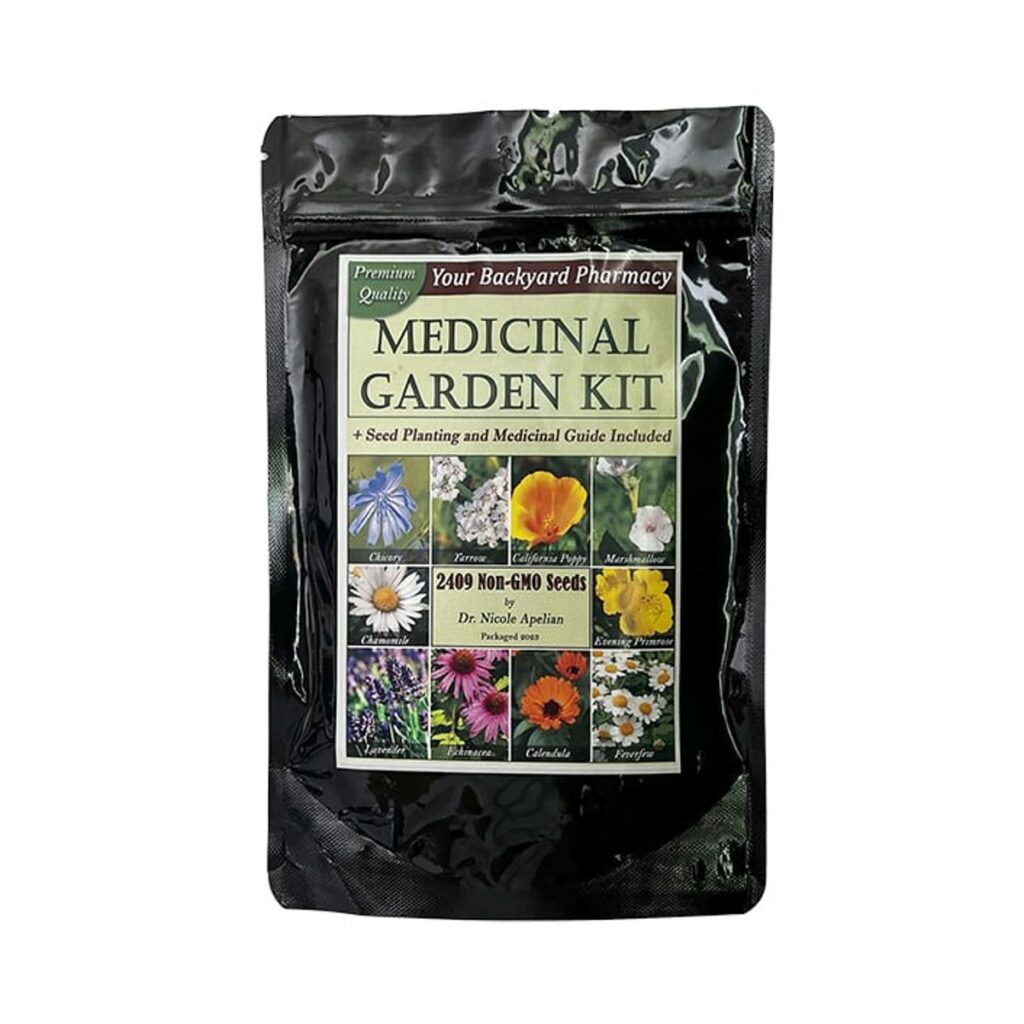
A curated seed kit may help if you want a guided starting point with multiple traditional herbs. To compare one option, Read the Medicinal Garden Kit Review.
Common Layout Mistakes to Avoid
The first mistake is mixing plants with opposite water needs. Lavender and mint do not want the same life. One prefers drier conditions, while the other enjoys more moisture.
The second mistake is overcrowding. Seedlings look tiny, but mature herbs need airflow. Crowding invites mildew, pests, and weak growth.
The third mistake is ignoring mature height. Tall basil or echinacea can shade small thyme plants. Put tall plants behind short plants based on your sun direction.
The fourth mistake is planting invasive herbs directly in the ground. Mint is useful, but it can become a problem. Keep it contained.
The fifth mistake is skipping labels. Many seedlings look similar when young. Labels help prevent confusion and support safer learning.
Simple Starter Layout for Beginners
If you want the easiest starting plan, try this:
- One 12-inch pot of mint
- One 12-inch pot of lemon balm
- One medium pot of basil
- One medium pot of calendula
- One shallow wide pot with thyme and oregano
- One small pot of chives or parsley
Arrange the tallest pots at the back, the most frequently harvested herbs near the front, and the drier herbs together. This gives you variety without overwhelming your space.
Final Thoughts
A medicinal herb garden layout should make your life easier, not more complicated. Start with your light conditions, choose containers with drainage, separate aggressive plants, and keep the garden close enough to enjoy daily.
Small gardens can be deeply productive when they are designed with intention. Whether you choose a balcony shelf, a container cluster, a raised bed square, or a windowsill tea garden, focus on learning the plants well.
If you are considering a seed collection to get started, Read the Medicinal Garden Kit Review for a practical overview before buying.
FAQ
What is the best medicinal herb garden layout for a balcony?
A tiered shelf or container cluster is usually best. It saves floor space, improves access, and lets you move plants based on sun and wind.
Can I grow medicinal herbs indoors?
Yes, but choose compact herbs and provide strong light. A grow light often makes indoor herb gardening more reliable.
Which herbs should stay in separate pots?
Mint and lemon balm should usually stay in separate pots because they spread aggressively and can overtake shared containers or beds.
How many herbs should I start with?
Start with five to eight herbs. This is enough variety to learn from without making watering, pruning, and labeling overwhelming.
Is a medicinal herb garden safe for families?
It can be a safe educational garden when plants are labeled and not used medically without professional guidance. Keep potentially unsafe plants away from children and pets.