Non-GMO Medicinal Seeds: Why They Matter for Your Herb Garden
Affiliate disclosure: This article may contain affiliate links. If you buy through our internal review page, LivingWithGreens may earn a commission at no extra cost to you.
If you are planning a traditional herb garden, you may notice seed packets and kits labeled “non-GMO,” “heirloom,” “open-pollinated,” or “organic.” These terms can feel confusing at first, especially when you are simply trying to grow calendula, chamomile, lemon balm, echinacea, or other classic garden herbs.
This guide explains why non GMO medicinal seeds matter to many home gardeners, what the label does and does not mean, and how to choose seeds for a safe, educational, beginner-friendly herb garden. Here, “medicinal” refers to herbs traditionally grown in home gardens and studied for their historical uses. It does not mean the seeds or plants provide medical outcomes or disease-related guidance.
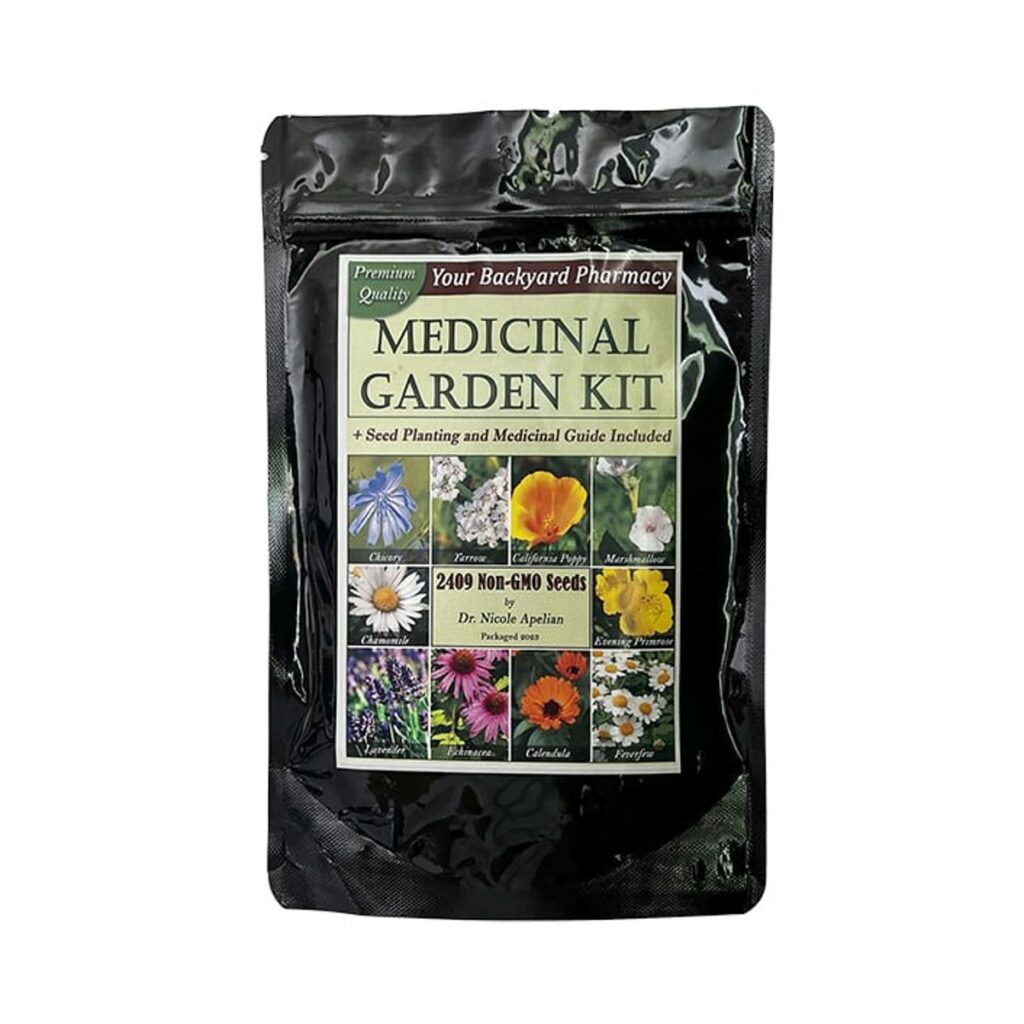
If you are comparing a curated herb seed option, you can Read the Medicinal Garden Kit Review for a closer look before deciding.
What Does Non-GMO Mean?
GMO stands for genetically modified organism. In agriculture, it usually refers to crops that have been genetically engineered in a laboratory using modern biotechnology. A non-GMO seed is not produced through that type of genetic engineering.
For most home herb gardeners, the practical value of a non-GMO label is clarity. It tells you the seller is positioning the seed as a traditional gardening seed rather than a genetically engineered crop.
It is also important to understand what non-GMO does not automatically mean:
- It does not automatically mean organic.
- It does not automatically mean heirloom.
- It does not guarantee better germination.
- It does not guarantee stronger plants.
- It does not make an herb medically effective or safe for every use.
Non-GMO is one useful piece of seed information, not the entire quality story.
Why Non-GMO Matters to Herb Gardeners
Many herb gardeners prefer non-GMO seeds for reasons connected to transparency, tradition, seed saving, and personal values.
1. Seed Transparency
Clear seed labeling helps gardeners make informed choices. If a packet tells you the plant name, variety, growing instructions, and non-GMO status, you can better understand what you are planting.
Transparency matters even more in a medicinal-style herb garden because plant identification is part of the learning process. You want to know whether you are growing German chamomile or Roman chamomile, peppermint or spearmint, common sage or another salvia.
2. Traditional Garden Learning
Many people grow medicinal-style herbs because they want to connect with historical gardening traditions. Non-GMO, open-pollinated, and heirloom seeds often fit that goal because they represent plants that can be grown, observed, harvested, and sometimes saved in a traditional way.
This is especially meaningful if your garden is part of a family education project. Children and new gardeners can see the full cycle: seed, sprout, leaf, flower, pollinator visit, seed head, harvest, drying, and storage.
3. Seed Saving Potential
Not every non-GMO seed is ideal for seed saving, but many open-pollinated non-GMO varieties are. Seed saving allows gardeners to preserve varieties, reduce annual seed costs, and adapt a garden gradually to local conditions.
Good beginner seed-saving herbs may include:
- Calendula.
- Basil.
- Dill.
- Cilantro/coriander.
- Chamomile.
- Borage.
Seed saving requires proper timing and dry storage. It also requires correct labeling, because seeds can be difficult to identify later.
4. Biodiversity and Garden Resilience
Home gardens can support biodiversity by growing a range of herbs, flowers, and pollinator plants. Non-GMO herb seeds are often sold in diverse collections that include culinary herbs, aromatic herbs, and flowering herbs.
A diverse herb garden can support:
- Bees and butterflies.
- Beneficial insects.
- Soil life when managed with compost and mulch.
- Seasonal learning and observation.
- A broader range of kitchen flavors and garden uses.
Diversity does not guarantee success, but it makes the garden more interesting and can reduce dependence on one plant doing all the work.
Non-GMO vs. Organic vs. Heirloom vs. Open-Pollinated
These labels are related but not identical. Understanding the difference helps you shop with confidence.
Non-GMO
Non-GMO means the seed is not genetically engineered. It does not tell you how the parent plants were grown.
Organic
Organic seeds come from plants grown according to organic standards. Organic seeds are generally non-GMO, but the label also relates to farming practices.
Heirloom
Heirloom seeds are older varieties passed down over time. Definitions vary, but heirlooms are usually open-pollinated and valued for history, flavor, appearance, or regional importance.
Open-Pollinated
Open-pollinated plants reproduce through natural pollination methods such as wind, insects, or self-pollination. When isolated properly, they tend to produce seeds that grow true to type.
For herb gardeners interested in seed saving, open-pollinated is often the most practical label to look for.
Are Medicinal Herb Seeds Usually GMO?
Most common home herb seeds are not major GMO crops. Gardeners are far more likely to encounter GMO discussions around large commodity crops than small packets of chamomile or calendula.
Still, many buyers appreciate a non-GMO statement because it removes uncertainty and supports their values. A clear label also signals that the seed seller understands what herb gardeners are looking for.
How to Choose Non-GMO Medicinal Seeds
When shopping for non-GMO medicinal seeds, do not stop at the front label. Look at the full seed packet or product description.
A good seed listing should include:
- Common name and botanical name when possible.
- Variety name.
- Non-GMO statement.
- Germination or planting instructions.
- Days to germination or maturity when available.
- Sun and spacing requirements.
- Annual/perennial information.
- Lot date or packing date when available.
- Storage guidance.
For medicinal-style herbs, botanical names are especially useful because common names can overlap. For example, several plants may share similar names while having different growth habits and safety considerations.
Beginner Herbs to Look For
If your goal is an educational non-GMO herb garden, start with plants that are well known and manageable.
Calendula
Calendula is a cheerful annual flower that is easy to grow and attractive to pollinators. It is also a good beginner seed-saving plant.
Chamomile
Chamomile is popular in tea gardens and produces small daisy-like flowers. Be sure to check which type you are growing because German and Roman chamomile have different habits.
Lemon Balm
Lemon balm is fragrant and easy to grow, but it can spread. Containers or regular pruning help keep it manageable.
Echinacea
Echinacea is a beautiful pollinator-friendly flower. It may take patience from seed and often becomes more impressive after the first season.
Peppermint or Spearmint
Mint is useful in culinary and aromatic gardens, but it spreads aggressively. Grow it in a container.
Thyme, Sage, and Oregano
These culinary herbs are valuable in the kitchen and fit well in sunny, well-drained beds. They are often good foundation plants for a traditional herb garden.
Safety: Seeds Are for Gardening and Education
Non-GMO medicinal seeds are still seeds for growing plants. They are not medical products. The resulting herbs may have traditional uses, but traditional use is not the same as proof of safety or effectiveness for every person.
Important safety reminders:
- Do not use herbs to replace prescribed medication or medical care.
- Ask a qualified healthcare professional before using herbs for health-related purposes.
- Be cautious during pregnancy, breastfeeding, childhood, chronic illness, allergies, or medication use.
- Keep seeds away from children and pets unless supervised.
- Learn accurate plant identification before harvesting.
Some herbs can interact with medications or be inappropriate for certain people. Gardening is safe and rewarding when paired with respect for plant safety.
How to Store Seeds for Better Longevity
Seed quality depends partly on how seeds are stored after you receive them. Heat, moisture, and sunlight reduce viability.
Storage tips:
- Keep seeds cool, dry, and dark.
- Store packets in an airtight container if humidity is high.
- Add a desiccant packet if appropriate.
- Label saved seeds with plant name and harvest year.
- Avoid storing seeds in a hot garage or sunny windowsill.
- Use older seeds first.
Even well-stored seeds lose viability over time, so test germination if you are relying on older packets.
Should You Buy a Non-GMO Medicinal Garden Kit?
A seed kit can simplify the first step. Instead of building a seed order from scratch, you receive a themed collection that may include multiple herbs for a traditional garden.
A kit may be a good fit if you want:
- A curated selection of herb seeds.
- A preparedness or educational garden theme.
- Fewer decisions before planting.
- A simple gift for a gardener.
- A starting point for learning seed starting and drying.
A kit may not be ideal if you need very specific varieties, have limited climate compatibility, or only want certified organic seeds. Always read the plant list and growing details before buying.
To evaluate one option without going directly to an affiliate offer, Read the Medicinal Garden Kit Review.
FAQ
What are non GMO medicinal seeds?
They are seeds for traditional medicinal-style herbs that are not genetically engineered. In this context, “medicinal” describes the category of herbs often studied in home gardening traditions, not a promise of medical results.
Are non-GMO seeds the same as organic seeds?
No. Non-GMO means not genetically engineered. Organic refers to how the seed-producing plants were grown under organic standards. Organic seeds are generally non-GMO, but non-GMO seeds are not always organic.
Are heirloom medicinal seeds always non-GMO?
Heirloom seeds are typically non-GMO and open-pollinated, but you should still read the seller’s description. Heirloom refers to variety history, not a formal medical or quality guarantee.
Can I save seeds from non-GMO herbs?
Often, yes, especially if the variety is open-pollinated. Some plants are easier than others. Calendula, dill, basil, cilantro, chamomile, and borage are good beginner options.
Do non-GMO medicinal seeds produce safer herbs?
Non-GMO status alone does not determine safety. Herb safety depends on correct identification, the plant itself, individual health factors, medications, dose, preparation, and professional guidance when health questions are involved.
Final Thoughts
Non-GMO medicinal seeds matter because they support transparency, traditional gardening, seed saving, and informed choice. They can be a strong foundation for a home herb garden focused on education, resilience, pollinators, and everyday kitchen usefulness.
Choose seeds with clear labels, learn each plant’s growing needs, keep careful notes, and treat the garden as a place for observation and skill-building. With that mindset, a non-GMO herb garden becomes more than a collection of seed packets. It becomes a practical learning system you can improve season after season.