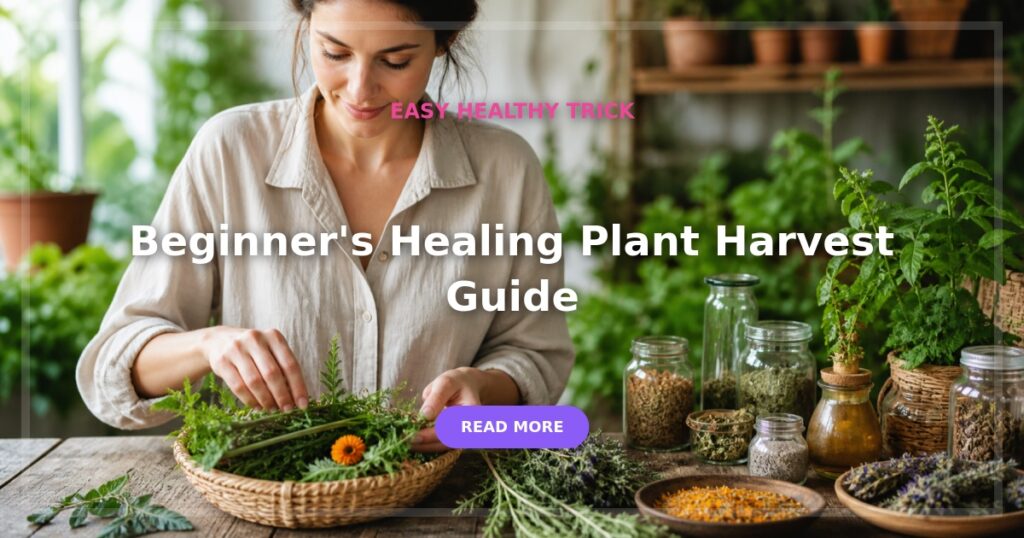
Beginner’s Healing Plant Harvest Guide
Are you tired of relying on over-the-counter medications and looking for a natural way to heal yourself? You’re not alone. Many people today are exploring the world of medicinal herbs as a powerful alternative to traditional pharmaceuticals. In this comprehensive guide, we’ll unlock the secrets of easy medicinal herbs for beginners, show you how to start a medicinal herb garden step by step, and help you discover the best medicinal herbs to grow indoors. Ready to transform your health? Let’s dive in!
Key Takeaways
– Discover easy medicinal herbs and their benefits.
– Learn to start your own herb garden with simple steps.
– Find the best herbs to grow indoors, no matter your space.
– Explore simple medicinal herb garden plans tailored for any skill level.
Understanding Medicinal Herbs
What Are Medicinal Herbs?
Medicinal herbs are plants that have healing properties and have been used throughout history to treat various ailments. From soothing digestive issues to alleviating stress, these herbs offer a plethora of benefits that can enhance your well-being. Whether you have a garden or a small windowsill, cultivating your own herbs can be both rewarding and empowering.
Why Grow Your Own Medicinal Herbs?
Growing your own medicinal herbs not only ensures that you have access to fresh, potent plants, but it also grants you control over how they are cultivated. With the rise of organic gardening, many people are opting for homegrown remedies as they pursue healthier lifestyles.
—
Starting a Medicinal Herb Garden Step by Step
Step 1: Choose Your Space
When starting a medicinal herb garden, the first step is deciding where you would like to grow your herbs. Depending on the space you have available, you can either utilize:
- Outdoor Garden: If you have a backyard, you can dedicate a section of it to your herb garden.
- Containers: Great for apartments or small spaces, containers allow you to grow herbs indoors or on balconies.
- Prepare the soil by removing weeds and rocks.
- Mix in organic compost for nutrients.
- Plant your herbs according to their specific depth and spacing requirements.
- Basil: Harvest leaves before flowering for best taste.
- Peppermint: Cut stems when flowers begin to bloom.
- Chamomile: Gather flowers once petals are fully open.
Step 2: Select Your Herbs
Not all herbs are created equal, especially for beginners. Here are some of the best medicinal herbs to grow indoors and outdoors:
| Herb Name | Benefits | Growth Conditions |
|---|---|---|
| Basil | Reduces stress, anti-inflammatory | Needs full sun, well-drained soil |
| Peppermint | Eases digestive issues | Prefers partial shade, moist soil |
| Chamomile | Helps with sleep and anxiety | Thrives in well-drained soil, full sun |
| Thyme | Supports respiratory health | Grows in full sun, sandy soil |
| Aloe Vera | Healing skin conditions | Needs bright light, well-drained soil |
Step 3: Plan Your Garden Layout
Creating a simple medicinal herb garden plan makes it easier to manage your plants’ needs. Here’s a straightforward plan to get you started:
#### Simple Medicinal Herb Garden Plan
1. Container Gardening: Use separate pots for each herb or a larger container divided into sections.
2. Raised Bed Gardening: If you opt for an outdoor space, build a raised bed that can hold multiple herbs.
3. Herb Spiral: Design an herb spiral for a stunning vertical garden that maximizes space while allowing for excellent drainage.
Step 4: Planting Your Herbs
Once you’ve selected your herbs and planned your garden layout, it’s time to plant! Ensure you:
Step 5: Care and Harvesting
Maintain your herb garden by watering regularly, ensuring the plants receive the right amount of sunlight, and harvesting regularly to promote growth. Understanding the best time to harvest each herb will ensure optimal flavor and potency.
Effortless Herbal Remedies at Home
With your herbs growing, you can create simple remedies to improve your health. Here are some easy examples of using your home-grown herbs:
1. Basil Tea: Brew fresh basil leaves for a calming tea.
2. Peppermint Oil: Infuse olive oil with peppermint for relief from headaches.
3. Chamomile Infusion: Use chamomile flowers to make calming tea for sleep aid.
For more information on creating effective herbal remedies, check out this resource!
Frequently Asked Questions (FAQ)
1. What are the easiest medicinal herbs for beginners?
The easiest medicinal herbs for beginners include basil, mint, and chamomile, which can be grown in a variety of conditions, making them ideal for new gardeners.
2. How much sunlight do medicinal herbs need?
Most medicinal herbs prefer full sun (6-8 hours daily), but some can thrive in partial shade. It’s essential to know the specific light requirements for each herb you intend to grow.
3. Can I grow medicinal herbs indoors?
Absolutely! Many of the best medicinal herbs to grow indoors, such as basil and aloe vera, thrive in pots, allowing you to benefit from fresh herbs without needing outdoor space.
Conclusion
Starting your own medicinal herb garden is a fulfilling and beneficial endeavor. It empowers you to take control of your health with easily accessible remedies derived straight from nature. Whether you choose to grow them indoors or outdoors, remember that incorporating these herbs into your life can have profound benefits.
If you’re eager to explore the world of herbal medicine and learn more about creating effective remedies, consider checking out the “Medical Garden” program. It can unlock the secrets of nature’s healing—discover how “Medical Garden” can transform your health today! Learn more here.
By cultivating these easy medicinal herbs for beginners, you open the door to a healthier, more natural lifestyle. Happy gardening!