What to Plant in an Emergency Herb Garden
Affiliate disclosure: This article may contain affiliate links. If you purchase through our internal review page, LivingWithGreens may earn a commission at no extra cost to you.
An emergency herb garden is not about fear. It is about practical resilience: knowing how to grow useful plants, save seeds, attract pollinators, dry herbs, cook from the garden, and maintain a productive green space when supply chains feel uncertain.
For LivingWithGreens readers, the phrase “emergency herb garden” means a preparedness-inspired garden for education and household skills. It does not mean herbs can replace medication, emergency care, or medical professionals. Herbs should not be used for medical claims or disease-related decisions.
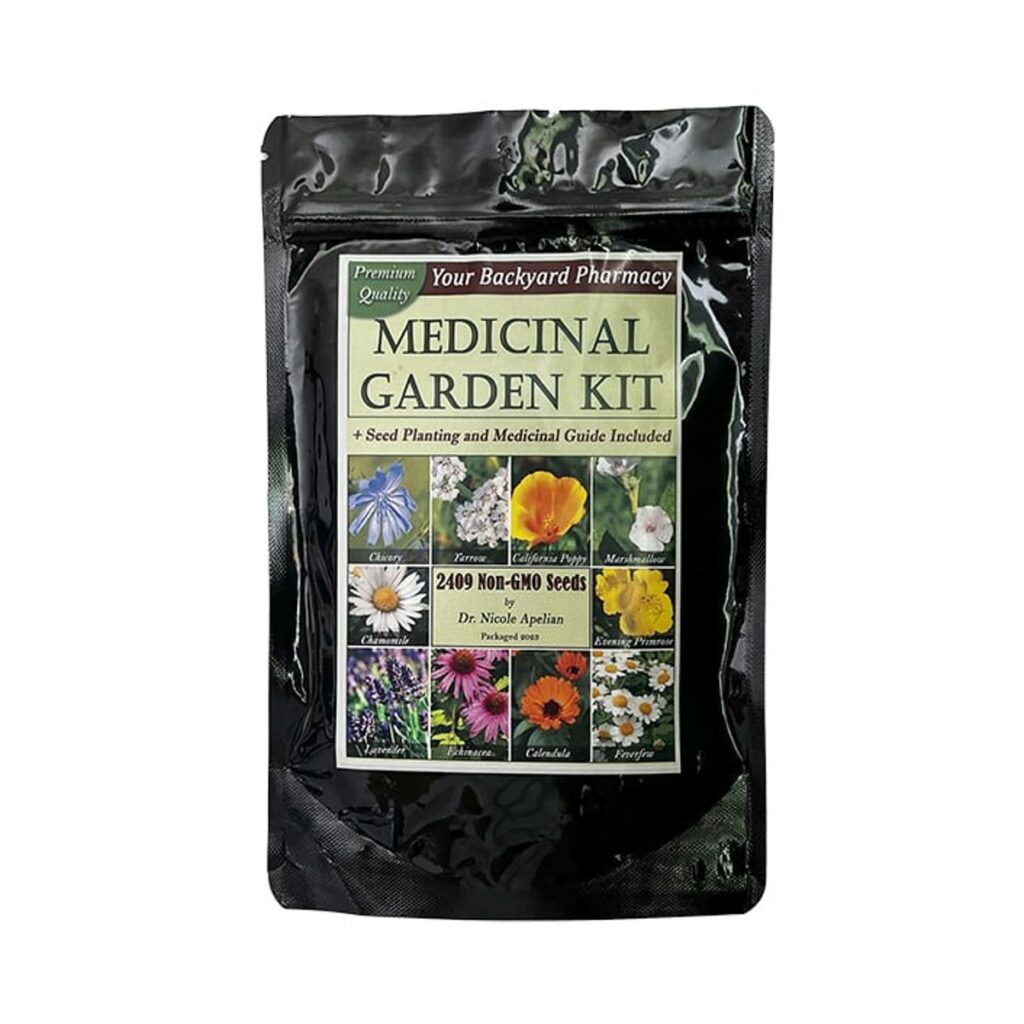
If you are considering a curated seed bundle for this type of project, you can Read the Medicinal Garden Kit Review to see whether it fits your garden plan.
What Makes an Herb Garden “Emergency Ready”?
An emergency-ready herb garden is designed around usefulness, reliability, and knowledge. It prioritizes plants that are easy to grow, easy to recognize, and valuable for cooking, pollinators, seed saving, fragrance, drying, or traditional plant study.
A good emergency herb garden has four goals:
- Grow herbs that support everyday cooking and morale.
- Include flowers that feed bees, butterflies, and beneficial insects.
- Practice drying, labeling, and storing garden harvests.
- Build confidence with seeds, soil, water, and seasonal timing.
The garden is only one part of preparedness. Clean water, food storage, first aid supplies, prescriptions, and professional medical care remain essential.
Best Categories to Include
Instead of choosing random herbs, build your garden by category. This keeps the planting balanced and makes the space more useful.
1. Culinary Workhorse Herbs
Culinary herbs are the backbone of an emergency herb garden because they make simple pantry meals taste better. They also encourage you to use the garden regularly.
Consider planting:
- Oregano.
- Thyme.
- Sage.
- Basil.
- Parsley.
- Cilantro.
- Chives.
- Rosemary in suitable climates or containers.
These herbs are familiar, versatile, and easy to incorporate into soups, beans, eggs, breads, sauces, and roasted vegetables. In a stressful season, flavor matters more than people think.
2. Tea and Aromatic Garden Herbs
Tea-style herbs are often grown for fragrance, calming garden rituals, and traditional home use. Keep the focus on flavor, aroma, and education rather than medical promises.
Beginner options may include:
- Chamomile.
- Lemon balm.
- Peppermint or spearmint.
- Anise hyssop.
- Holy basil where climate allows.
- Lavender in dry, sunny conditions.
Mint and lemon balm can spread aggressively, so containers are often the best choice. Label them clearly and harvest lightly as the plants become established.
3. Pollinator and Beneficial Insect Herbs
In a resilience garden, pollinators are partners. Flowering herbs attract bees, butterflies, hoverflies, and other beneficial insects that support the wider garden.
Good options include:
- Calendula.
- Echinacea.
- Yarrow.
- Borage.
- Dill.
- Fennel.
- Bee balm.
- Catnip if appropriate for your space.
Let some herbs flower instead of harvesting everything. A garden that supports insects is often more stable and productive.
4. Seed-Saving Herbs
Seed saving is a valuable preparedness skill. Some herbs are easier than others, so start with simple candidates.
Beginner-friendly seed-saving plants include:
- Calendula.
- Dill.
- Cilantro/coriander.
- Basil.
- Chamomile.
- Borage.
To save seeds, allow some flowers to mature fully on the plant. Collect seeds on a dry day, let them finish drying, and store them in labeled paper envelopes in a cool, dry place.
5. Perennial Foundation Herbs
Perennial herbs return year after year in suitable climates, reducing how much you need to replant. They can become the permanent structure of your emergency herb garden.
Common perennial choices include:
- Thyme.
- Sage.
- Oregano.
- Chives.
- Lavender.
- Echinacea.
- Yarrow.
- Lemon balm, though it may spread.
Check your growing zone before relying on any herb as a perennial. In colder climates, some plants need winter protection or container care.
A Practical Emergency Herb Garden Plant List
If you want a simple starting plan, choose 10 to 12 herbs from the list below. This gives you a mix of culinary, aromatic, flowering, and seed-saving value.
Small-Space Starter List
For a balcony, patio, or small raised bed:
- Basil.
- Thyme.
- Oregano.
- Chives.
- Calendula.
- Chamomile.
- Mint in its own pot.
- Lemon balm in its own pot.
- Parsley.
- Cilantro.
This list is realistic for beginners and does not require a large homestead.
Larger Garden Starter List
For a raised bed system or backyard plot:
- Sage.
- Thyme.
- Oregano.
- Basil.
- Parsley.
- Cilantro.
- Calendula.
- Echinacea.
- Yarrow.
- Chamomile.
- Dill.
- Lavender if drainage and climate are suitable.
Plant taller herbs and flowers toward the back or center, depending on bed access. Keep spreading herbs contained.
How to Design the Garden
A useful emergency herb garden is easy to maintain. If it becomes too complicated, it will be neglected when life gets busy.
Put High-Use Herbs Close to the Kitchen
Basil, parsley, chives, thyme, and oregano should be easy to reach. The closer they are to your cooking area, the more likely you are to use and observe them.
Separate Spreaders
Mint, lemon balm, catnip, and some other vigorous herbs can overtake beds. Grow them in containers or dedicated contained areas.
Group by Water Needs
Mediterranean herbs such as thyme, oregano, sage, rosemary, and lavender often prefer sunnier, drier conditions. Basil, parsley, and cilantro usually appreciate more consistent moisture. Grouping by water needs prevents frustration.
Leave Space for Flowers
Calendula, echinacea, borage, and yarrow need room. Crowding reduces airflow and makes harvesting harder.
Supplies to Keep With Your Herb Garden
Preparedness is easier when supplies are organized. Store basic tools in one place.
Helpful supplies include:
- Plant labels and waterproof markers.
- Seed envelopes.
- Garden notebook.
- Clean scissors or pruning snips.
- Paper bags for harvests.
- Drying rack or mesh screen.
- Glass jars for fully dried herbs.
- Compost or organic fertilizer as appropriate.
- Mulch.
- Backup seeds stored in a cool, dry place.
Your notes are part of the system. Write down what germinated, what failed, what pests appeared, and what you want to plant next season.
Harvesting and Drying for Storage
Drying herbs is a simple skill, but it requires patience. Harvest only healthy plant material, avoid wet leaves, and dry herbs away from direct sun.
Basic drying steps:
- Harvest on a dry day after dew is gone.
- Shake off insects outdoors.
- Rinse only if necessary, then dry thoroughly before bundling.
- Hang small bundles or use a drying screen.
- Check regularly for mold or poor airflow.
- Store only when leaves are fully dry and crumbly.
- Label jars with plant name and date.
Stored herbs are best treated as educational and culinary materials unless you have guidance from a qualified professional for any health-related use.
Safety and Medical Disclaimer
Some herbs are not appropriate for pregnancy, breastfeeding, children, pets, specific health conditions, upcoming surgery, or people taking medications. Some plants can cause allergic reactions or interact with prescriptions.
This article is for gardening and educational purposes only. It is not medical advice. Do not use herbs to replace emergency services, prescribed medication, or professional medical care. If you have health questions, speak with a licensed healthcare provider.
Should You Start With a Kit or Individual Seeds?
Individual seed packets give you maximum control. A curated kit can be helpful if you want a themed starting point and do not want to research every seed from scratch.
When evaluating any medicinal-style seed kit, look for:
- Clear plant names.
- Non-GMO or heirloom information when available.
- Growing instructions.
- Seed storage guidance.
- A plant list that fits your climate and space.
- Transparent expectations: it should be sold as a gardening product, not a medical promise.
To compare a ready-made option, Read the Medicinal Garden Kit Review.
FAQ
What should I plant first in an emergency herb garden?
Start with dependable culinary herbs such as basil, thyme, oregano, parsley, chives, and cilantro. Then add pollinator and tea-style herbs like calendula, chamomile, mint, and lemon balm.
Can an emergency herb garden replace a first aid kit?
No. A garden is not a substitute for first aid supplies, medication, emergency services, or healthcare professionals. Treat it as a resilience and education project.
Which emergency herbs are best for containers?
Mint, lemon balm, thyme, oregano, chives, parsley, basil, and calendula can work well in containers when they have proper drainage, light, and pot size.
How many herbs do I need?
For beginners, 8 to 12 herbs is enough. A smaller successful garden is better than a large neglected one.
Are non-GMO seeds important for an emergency herb garden?
Many gardeners prefer non-GMO or heirloom seeds because they value transparency, seed saving, and traditional varieties. The most important factors are seed quality, clear labeling, and suitability for your growing conditions.
Final Thoughts
An emergency herb garden is a practical way to build confidence before you need it. You learn how to start seeds, manage water, harvest at the right time, dry plant material, save seeds, and support pollinators.
Start with familiar culinary herbs, add a few aromatic and flowering plants, and keep good notes. The goal is not to make medical claims. The goal is to become a more capable gardener with a resilient, useful, and beautiful herb space.