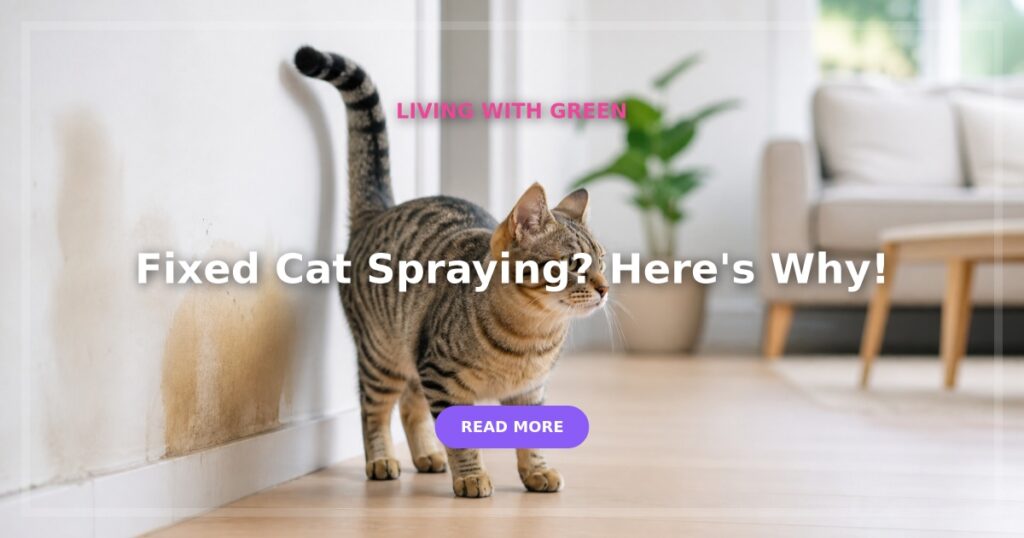
Fixed Cat Spraying? Here’s Why!
If you’ve noticed your beloved feline has suddenly started spraying indoors, you’re not alone! This perplexing behavior can be distressing for both you and your cat. Understanding the reasons for sudden cat spraying in the house is crucial to finding effective solutions.
In this guide, we’ll explore why even fixed cats may spray, what triggers this behavior, and how you can reclaim your home with simple strategies and the help of effective products like Cat Spray Stop.
Key Takeaways
– Cat spraying can be linked to stress or changes in the environment.
– Neutered cats may still spray due to hormonal remnants or behavioral issues.
– Immediate actions can help stop cat spraying and promote a harmonious environment.
—
Understanding Cat Spraying
What Is Cat Spraying?
Cat spraying, or urine marking, is a natural behavior for many felines. Unlike urination, which is a complete release of the bladder, spraying involves a cat backing up to a vertical surface and releasing a small amount of urine. This behavior can be an alarming sign of stress or territoriality, especially when it occurs suddenly after years of good behavior.
Why Did My Neutered Cat Start Spraying?
If you’re wondering, “Why did my neutered cat start spraying?” there could be several reasons at play. Here are some common culprits:
- Stress and Anxiety: Cats are sensitive creatures, and changes in their environment—like moving furniture or new pets—can trigger spraying.
- Medical Issues: Urinary tract infections or other health problems may lead your cat to associate inappropriate areas with bathroom usage. Always consider a vet visit if the behavior is sudden or chronic.
- Territorial Disputes: If a new pet has been introduced into the household, your cat may spray to mark territory. This is a common issue that many cat owners face.
- Provide Safe Spaces: Create areas where your cat can retreat to feel secure.
- Use Feliway Diffusers: These synthetically mimic cat pheromones and can help calm your cat.
- Encourage Play: Regular playtime can help reduce anxiety and provide an outlet for energy.
—
How to Stop Cat from Spraying Indoors
Identifying Triggers
The first step in stopping your cat from spraying indoors is identifying what might be causing the behavior. Here’s a checklist to guide you:
1. Assess Environmental Changes: Look for any recent changes in your home. Have you recently moved? Added new furniture? Introduced a new pet?
2. Health Check: Schedule a vet appointment to rule out urinary tract infections or other health issues.
3. Behavioral Triggers: Monitor your cat’s behavior for signs of stress or anxiety.
Practical Steps to Reduce Spraying
Once you’ve identified the potential triggers, you can implement several strategies:
Introducing a New Pet
When introducing a new pet, take it slow. Here’s a step-by-step process:
| Step | Description |
|---|---|
| 1. Safe Spaces | Ensure your current cat has a space they feel safe in. |
| 2. Gradual Introduction | Allow the cats to see each other without direct contact at first. |
| 3. Supervised Meetings | Slowly introduce them in controlled environments. |
| 4. Monitor Behavior | Watch for signs of stress or aggression and intervene if necessary. |
| 5. Reinforce Positive Behavior | Reward both pets for calm behavior around each other. |
Consider an Effective Solution
If spraying persists, products like Cat Spray Stop can offer a practical way to eliminate urine smells and discourage future spraying. This innovative solution not only neutralizes odors but also helps to retrain your cat away from unwanted behaviors, creating a more harmonious environment for both pets and people.
—
Frequently Asked Questions
Why is my cat suddenly urinating outside the litter box?
Cats may begin urinating outside their litter box due to stress, medical problems, or an aversion to the litter box itself (such as a dirty box or changes to the type of litter used). It’s essential to address these issues promptly.
Can neutered cats still spray?
Yes, neutered cats can still spray. Hormones may linger in their system, or they might be responding to environmental stressors or perceived territorial threats.
How effective are sprays and scents in deterring cat spraying?
Many cat owners find that using odor-neutralizing sprays or deterrent scents can be quite effective. However, it’s essential to combine these methods with behavioral approaches for the best results.
—
Conclusion
Cat spraying can be a frustrating issue for any cat owner, especially when it appears without warning. Understanding the reasons for sudden cat spraying in the house and implementing effective strategies can help you regain control of your space. Whether you’re dealing with a reaction to a new pet or lingering stress, understanding your cat’s environment and behaviors is key. By addressing these underlying issues and using products like Cat Spray Stop, you can create a happy, urine-free home for both you and your feline friends.