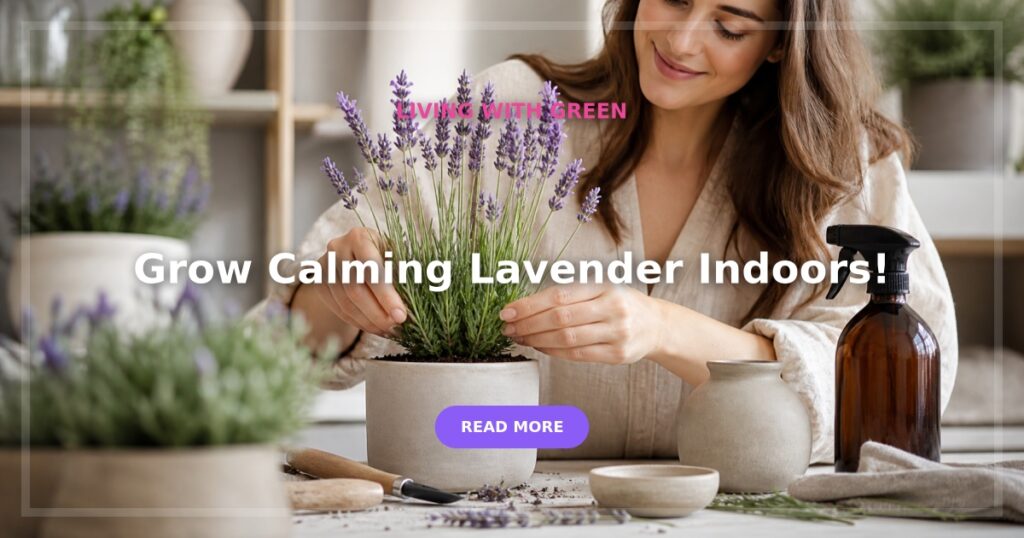
Grow Calming Lavender Indoors!
Are you looking to transform your indoor space into a serene sanctuary filled with calming scents and healing properties? Lavender, a beloved herb known for its soothing aroma and medicinal benefits, can be an excellent addition to your indoor garden. However, creating your indoor medicinal herb garden may seem daunting, particularly if you’re a beginner or living in a small apartment. Worry not! In this article, we’ll delve into beginner indoor medicinal herb garden ideas, low maintenance medicinal plants for apartments, and how to grow fast-growing healing herbs for your windowsills, starting with lavender.
Key Takeaways
– Lavender is a calming herb that thrives indoors.
– It requires minimal maintenance, making it perfect for small spaces.
– Using the best potting soil for indoor medicinal herbs can enhance growth.
– The Mediccal Garden Kit offers all the essentials for your indoor herb gardening.
Why Grow Lavender Indoors?
Lavender (Lavandula) is not just visually appealing; it also offers numerous benefits. The calming scent of lavender can help reduce anxiety and promote relaxation, providing a perfect remedy for those long days. Additionally, lavender can be used in various forms — from essential oils to teas — making it one of the most versatile herbs for your beginner indoor medicinal herb garden.
But what if you lack outdoor space or gardening experience? Don’t fret! Growing lavender indoors is feasible with the right techniques and care.
Benefits of Growing Lavender Indoors
1. Air Purification: Lavender can help purify the air in your home by removing toxins.
2. Aesthetic Appeal: With its vibrant purple flowers, lavender adds charm and beauty to any indoor setting.
3. Easy to Harvest: Having lavender right at your fingertips allows you to utilize it in crafts, teas, or as a natural remedy for relaxation.
Preparing for Your Indoor Lavender Garden
Before you start planting, there are a few key considerations to keep in mind.
Choosing the Right Space
Lavender requires at least 6 hours of sunlight daily. Choose a south-facing windowsill that gets plenty of light. Ensure that the space is warm and well-ventilated, as lavender thrives in dry conditions.
Selecting the Best Potting Soil for Indoor Medicinal Herbs
Using the best potting soil for indoor medicinal herbs is crucial for the health of your lavender. Look for well-draining potting mixes that contain elements like perlite or sand. This will prevent waterlogging, which can harm the roots.
Essential Supplies for Growing Lavender Indoors
Here’s a list of supplies you’ll need:
| Essentials | Description |
|---|---|
| Pots | Preferably ceramic or clay pots for breathability |
| Potting Soil | A well-draining mix designed for herbs |
| Fertilizer | Balanced and organic for healthy growth |
| Watering Can | To monitor water levels without oversaturating |
| Mediccal Garden Kit | Everything you need for your herbal endeavors Unlock the healing power of plants—discover the secrets of the Mediccal Garden Kit now! |
Step-by-Step Guide to Growing Lavender Indoors
Follow this simple guide to cultivate your own calming lavender plant:
Step 1: Planting Seeds or Seedlings
- Plant seeds about ¼ inch deep in your potting soil or transplant seedlings purchased from a nursery.
- Space the seeds or plants about 12-18 inches apart to allow for growth.
- Initially water the plants well, ensuring that excess water drains from the pot.
- Allow the soil to dry out slightly between watering, as lavender prefers dry soil.
- Place your potted lavender in a location that receives direct sunlight for about 6-8 hours each day. A south-facing window is ideal.
- Use an organic fertilizer every 4-6 weeks during the growing season to encourage healthy growth.
- You can begin harvesting your lavender flowers after a year. Pick the florets just as they begin to bloom for the best fragrance.
- Mint: Great for culinary uses and soothing stomach issues.
- Basil: Known for its anti-inflammatory properties and popularity in cooking.
- Chamomile: A gentle herb that can help with sleep and anxiety.
Step 2: Watering
Step 3: Provide Adequate Lighting
Step 4: Fertilizing
Step 5: Harvesting
Additional Indoor Medicinal Herbs to Consider
While lavender is a fantastic choice for an indoor herb garden, consider incorporating other low maintenance medicinal plants for apartments:
Fast-Growing Healing Herbs for Windowsills
If you’re looking for quick results, here are some herbs that grow fast and can dazzle your windowsill:
| Herb | Growth Time | Benefits |
|---|---|---|
| Basil | 30-45 days | Antioxidant, anti-inflammatory |
| Mint | 30-60 days | Aids digestion, freshens breath |
| Parsley | 14-28 days | Rich in vitamins, supports overall health |
Frequently Asked Questions
Can I grow lavender indoors all year round?
Yes! Lavender can thrive indoors year-round if the right conditions are met, including sufficient sunlight and proper watering.
What type of lavender is best for indoor growing?
English lavender is often the best choice for indoor gardening due to its smaller size and sweet fragrance.
How often should I water my indoor lavender?
Water your lavender only when the top inch of the soil feels dry. Overwatering can cause root rot.
Conclusion
Growing calming lavender indoors is an enriching experience that not only beautifies your living space but also enhances your well-being. By following the right steps and using the best potting soil for indoor medicinal herbs, you can successfully cultivate this wonderful plant. Don’t forget to consider other low maintenance medicinal plants for apartments and fast-growing healing herbs for your windowsills to create a thriving indoor garden!
Are you ready to unlock the benefits of growing your own medicinal herbs? Discover the secrets of the Mediccal Garden Kit and stock up on the essential supplies to enjoy a healthier lifestyle. Unlock the healing power of plants—discover the secrets of the Mediccal Garden Kit now! Your calming indoor sanctuary awaits!