How to Build a Home Apothecary Garden
Affiliate disclosure: This article may contain affiliate links. If you click through and make a purchase, LivingWithGreens may earn a commission at no extra cost to you. Our calls to action send you to our internal review page first, not directly to a raw affiliate checkout.
A home apothecary garden is a dedicated space for growing useful herbs and traditional botanical plants. It can be as small as a sunny balcony shelf or as large as a backyard herb border. The purpose is not to replace professional healthcare. The purpose is to reconnect with plants, learn their growing habits, support pollinators, and create a practical garden you can use for teas, crafts, aromatics, and seasonal education.
If you love the idea of a garden that feels both beautiful and purposeful, an apothecary-style layout is one of the most rewarding projects you can start. The key is to begin safely, choose beginner-friendly plants, and build skills before trying to grow everything at once.
Important Medical Safety Disclaimer
A home apothecary garden is for gardening and education only. Herbs can be powerful, and some may interact with medications, pregnancy, breastfeeding, allergies, chronic conditions, or upcoming surgery. This article does not provide medical advice and does not claim that any herb can diagnose, treat, cure, or prevent disease. Always consult a qualified healthcare professional before using herbs internally, applying them to skin, or giving them to children or pets.
With that boundary clear, let’s design a garden that is useful, safe, and realistic.
Step 1: Define Your Garden Goal
Before buying seeds, decide what you want your home apothecary garden to do. A clear goal keeps the project manageable.
Common goals include:
- Growing culinary herbs for everyday cooking
- Creating a tea garden for flavor and ritual
- Supporting bees, butterflies, and beneficial insects
- Learning traditional herb identification
- Growing aromatic plants for sachets, wreaths, or crafts
- Building a seed-starting habit for seasonal resilience
You do not need a huge space. A beginner apothecary garden might include six to ten herbs in containers. A larger garden can be divided into sections for culinary herbs, pollinator flowers, tea herbs, and perennial plants.
Step 2: Choose the Right Location
Most herbs prefer at least six hours of direct sunlight per day. Mediterranean herbs such as lavender, thyme, sage, oregano, and rosemary need strong sun and excellent drainage. Leafier herbs like mint, lemon balm, parsley, and cilantro can tolerate partial shade, especially in hot climates.
Watch your space for a full day. Notice where morning sun, afternoon heat, wind, and shade occur. A plant that struggles in harsh afternoon sun might thrive with gentler morning light. Containers give you flexibility because you can move plants as you learn.
If you only have indoor space, choose a bright south-facing window or use a grow light. Indoor herb gardens can work, but they require careful watering and airflow to prevent weak growth and fungus issues.
Step 3: Start With Beginner-Friendly Apothecary Herbs
Begin with plants that are forgiving and useful. Here are good candidates for a first home apothecary garden:
Calendula
Calendula produces cheerful orange or yellow flowers and is easy to grow from seed. It attracts pollinators and can be harvested for craft projects, infused oils, or dried flower blends. Use it only for educational or traditional craft purposes unless guided by a professional.
Lemon balm
Lemon balm has a fresh citrus scent and grows vigorously. It is excellent for sensory gardens and tea-style plantings. It can spread, so containers are helpful.
Peppermint or spearmint
Mint is beginner friendly but aggressive. Grow it in a pot rather than directly in the ground. It is useful for fragrance, kitchen use, and learning how runners spread.
Chamomile
Chamomile is popular in tea gardens and produces small daisy-like flowers. It prefers moderate conditions and may self-seed where happy.
Holy basil or culinary basil
Basil is fast growing, aromatic, and easy to use in the kitchen. Holy basil is often grown in traditional herb gardens, while sweet basil is familiar for cooking.
Lavender
Lavender needs full sun, lean soil, and excellent drainage. It is not the easiest herb in humid climates, but it is worth trying in a container if you can avoid overwatering.
Thyme
Thyme is compact, drought tolerant once established, and perfect for borders or small pots. It also supports pollinators when flowering.
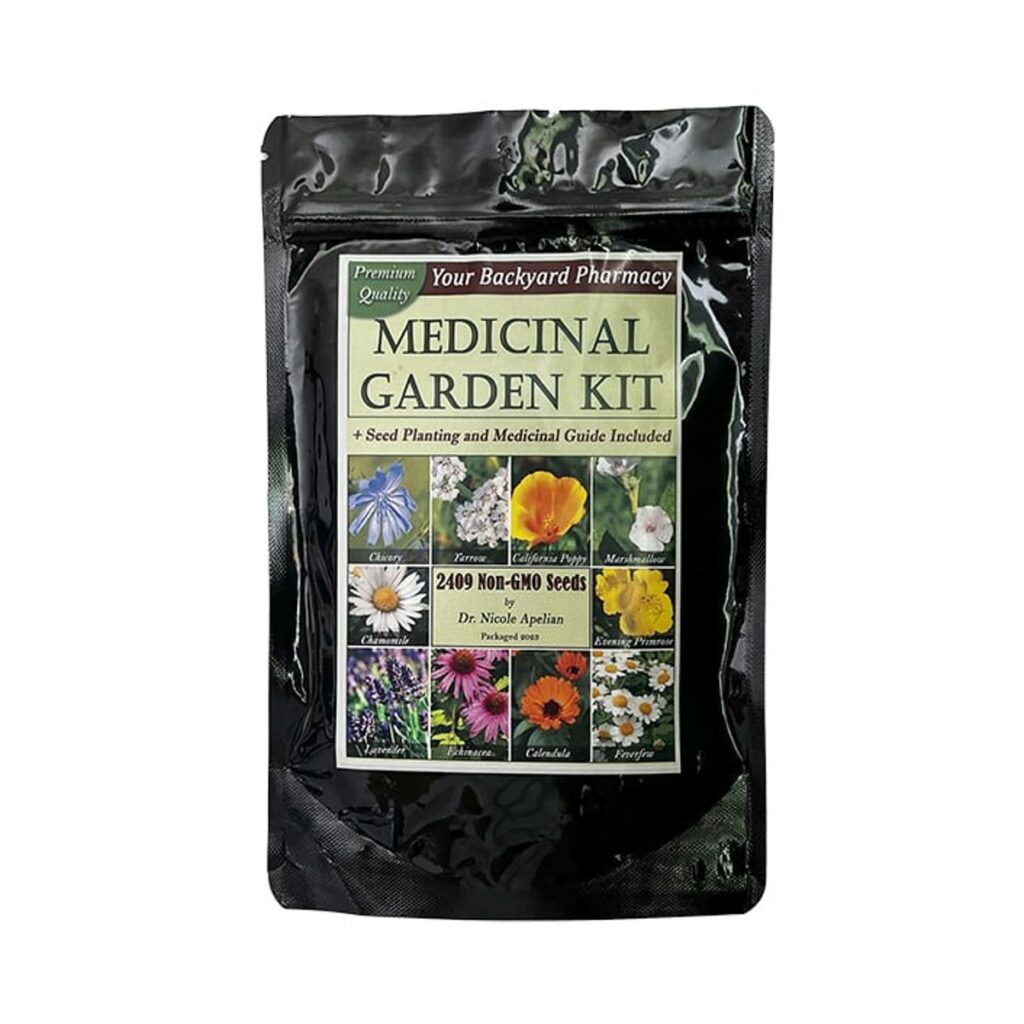
A curated medicinal seed kit can simplify selection if you want several herbs in one package. If you want to compare a herb-focused option, Read the Medicinal Garden Kit Review.
Step 4: Decide Between Seeds, Starts, and Kits
Seeds are affordable and educational. They let you observe the full plant life cycle from germination to harvest. Some herbs, however, are slow or tricky from seed. Lavender and rosemary can test a beginner’s patience. Mint is often better purchased as a starter plant because many mints do not grow true from seed.
Starter plants give instant structure and reduce early failure. Seed kits offer convenience and variety. A good medicinal seed kit should include clear labels, growing guidance, and realistic expectations. Avoid any kit that promises guaranteed health outcomes or suggests replacing professional care.
A balanced approach works well: buy a few starter plants for slow-growing perennials and use seeds for calendula, basil, chamomile, dill, cilantro, and other faster herbs.
Step 5: Prepare Soil and Containers
Herbs dislike soggy roots. Use containers with drainage holes and a quality potting mix. Do not use heavy garden soil in pots because it can compact and hold too much water.
For Mediterranean herbs, add perlite, coarse sand, or a cactus-style mix to improve drainage. For leafy herbs, a standard potting mix with compost is usually fine. Raised beds should be loose, well drained, and easy to access from all sides.
Container size matters. Mint, lemon balm, and basil appreciate larger pots. Thyme and calendula can grow in smaller containers, though they still need enough root space. Group plants with similar water needs together.
Step 6: Create a Simple Layout
A home apothecary garden should be easy to maintain. Place frequently harvested herbs near your kitchen or walking path. Put taller plants where they will not shade smaller ones. Keep spreading plants contained.
Try this beginner layout:
- Back row: lavender, echinacea, holy basil, or taller flowers
- Middle row: calendula, chamomile, sage, parsley
- Front edge: thyme, oregano, violets, low-growing herbs
- Separate pots: mint and lemon balm
If you garden on a balcony, use vertical shelves. Put sun-loving herbs on the top shelf and shade-tolerant herbs lower down. Make sure every pot can drain safely without damaging the area below.
Step 7: Harvest Gently and Label Everything
Harvesting encourages growth when done correctly. Use clean scissors and take small amounts at first. Never strip a young plant. Harvest flowers when they are fully open and leaves when they are healthy and dry.
Label each plant with its common name, botanical name if known, planting date, and notes. Botanical names matter because common names can be confusing. For example, different plants may share similar common names but have very different properties.
Dry herbs in a clean, airy place away from direct sunlight. Store dried plant material in labeled jars with dates. Discard anything that smells musty, looks moldy, or was harvested from a stressed or contaminated plant.
Step 8: Build a Garden Journal
A garden journal turns mistakes into knowledge. Record germination dates, weather, pests, harvest times, and what you would change next season. Note which herbs attracted pollinators, which struggled, and which you actually used.
Over time, your home apothecary garden becomes local and personal. You learn what works in your climate, your soil, and your routine.
Final Thoughts
Building a home apothecary garden is not about chasing miracle cures. It is about growing useful plants with care, respect, and curiosity. Start small, choose safe beginner herbs, label everything, and treat the garden as an educational space.
If a curated seed collection would help you begin, Read the Medicinal Garden Kit Review to see whether it fits your space and goals.
FAQ
What is a home apothecary garden?
It is a garden focused on herbs and traditional useful plants for education, cooking, crafts, tea rituals, fragrance, and pollinator support.
Can I build an apothecary garden in containers?
Yes. Containers are ideal for beginners and small spaces. They also help control spreading herbs like mint and lemon balm.
What herbs should beginners avoid?
Avoid plants you cannot identify confidently, toxic herbs, and any herb promoted with strong medical claims. Start with common culinary and tea-garden herbs.
Is a medicinal seed kit worth it?
It can be worth it if the kit includes clear labels, beginner-friendly varieties, realistic instructions, and good storage packaging.
Can I use herbs from my garden as medicine?
Do not use herbs medically without professional guidance. Herbs can interact with medications and health conditions, so consult a qualified healthcare provider first.