How to Start a Medicinal Herb Garden at Home
Affiliate disclosure: This article may contain affiliate links. If you click through and make a purchase, LivingWithGreens may earn a commission at no extra cost to you. Our calls to action point to an internal review page so you can compare details before making a decision.
A medicinal herb garden is one of the most rewarding garden projects you can start at home. It can be small enough for a balcony, beautiful enough for a front-yard border, and practical enough to supply herbs for teas, dried bundles, infused oils, craft projects, pollinator habitat, and seasonal learning.
Before we begin, an important safety note: this guide is about gardening and education. Herbs have long traditional histories, but growing them does not mean they are safe or appropriate for every person or every use. This article does not provide medical advice, and herbs should not be used to diagnose, treat, cure, or prevent disease. If you have a health condition, take medication, are pregnant or nursing, or plan to use herbs beyond culinary or decorative purposes, consult a qualified professional.
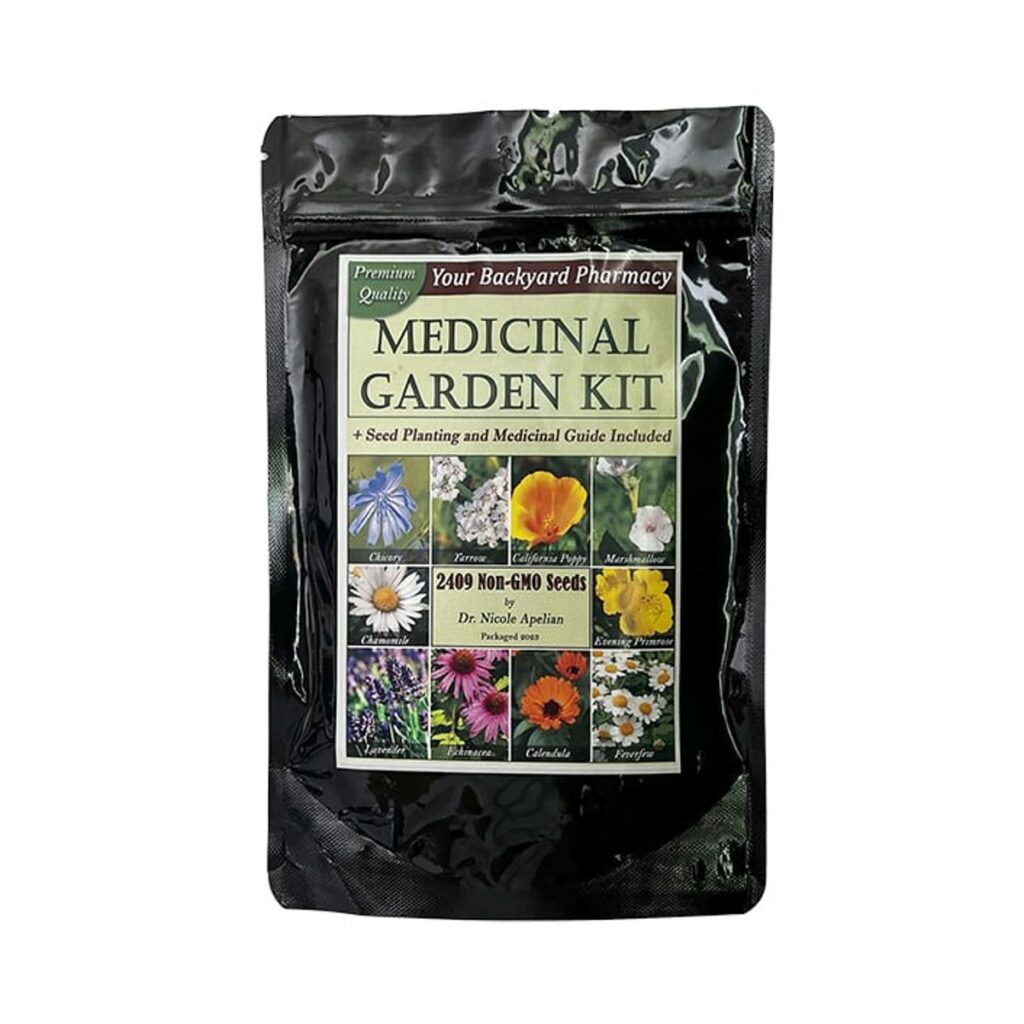
If you want a curated seed collection to make the first step easier, you can Read the Medicinal Garden Kit Review.
What Is a Medicinal Herb Garden?
A medicinal herb garden is a garden organized around herbs traditionally valued in home apothecaries, folk gardens, kitchen gardens, and educational plant collections. Common examples include chamomile, calendula, echinacea, lemon balm, lavender, sage, yarrow, peppermint, thyme, and marshmallow.
The phrase “medicinal” can sound intense, but for a beginner it simply means you are growing herbs with a history of traditional use. Your garden can be used for observation, drying practice, pollinator support, fragrance, tea blending education, and learning plant identification.
The goal is not to become your own doctor. The goal is to become a more confident gardener.
Step 1: Choose the Right Location
Most herbs prefer plenty of sunlight. Aim for a spot that receives at least six hours of direct sun per day. Some herbs tolerate partial shade, especially in hot climates, but strong light usually produces sturdier plants and better growth.
Look for a location with:
- Good sunlight
- Easy access to water
- Drainage after rain
- Protection from heavy foot traffic
- Enough space to harvest comfortably
If you do not have a yard, use containers. Many herbs grow well in pots on patios, balconies, steps, and sunny windowsills. Containers also help control spreading plants like mint and lemon balm.
Step 2: Decide Between Seeds, Starts, or a Kit
You can begin a medicinal herb garden in three main ways.
Start from Seeds
Seeds are affordable and satisfying. They allow you to grow many plants for a low cost, but they require patience. Some herbs germinate quickly, while others need special conditions or more time.
Buy Nursery Starts
Nursery starts are small plants that give you a head start. They are more expensive than seeds but easier for herbs that are slow to germinate. They are useful if you want instant structure in your garden.
Use a Medicinal Seed Kit
A medicinal seed kit gives you a curated group of herbs in one package. This is helpful if you feel overwhelmed by choices or want a themed garden from the beginning. You still need to plant and care for the seeds, but the selection step is simplified.
For beginners, a kit can be the difference between thinking about a garden and actually planting one.
Step 3: Pick Beginner-Friendly Herbs
Start with herbs that are forgiving, useful in the garden, and enjoyable to observe. You do not need twenty varieties in your first season. Five to eight herbs are enough for a meaningful beginner garden.
Good starter options include:
Calendula
Calendula is cheerful, fast-growing, and beautiful. Its orange and yellow flowers are easy to harvest and dry for craft or educational use. It also attracts pollinators.
Chamomile
Chamomile has delicate flowers and a gentle fragrance. It is a classic herb garden plant, though its tiny seeds require careful surface sowing.
Lemon Balm
Lemon balm is fragrant and vigorous. Because it can spread, many gardeners keep it in containers.
Lavender
Lavender is beloved for scent and flowers, but it needs excellent drainage and plenty of sun. It prefers not to sit in wet soil.
Echinacea
Echinacea is a beautiful perennial with cone-shaped flowers. It may take longer to establish, but it can become a long-term feature in the garden.
Thyme
Thyme is compact, aromatic, and suitable for containers or borders. It prefers well-drained soil.
Sage
Sage is a sturdy perennial in many climates and offers attractive gray-green leaves. It does best with sun and good airflow.
Step 4: Prepare Soil That Drains Well
Many herbs dislike soggy roots. Good drainage is more important than rich soil for many Mediterranean herbs like lavender, thyme, rosemary, and sage.
For raised beds, loosen the soil and mix in compost if needed. For containers, use a quality potting mix rather than heavy garden soil. Make sure every pot has drainage holes.
A simple soil goal is: moist enough to support young plants, but never swampy.
Step 5: Plan Your Garden Layout
Group herbs by growth habit and water needs. Taller plants should go where they will not shade smaller herbs. Spreading herbs should be contained. Perennials should be placed where they can remain for multiple seasons.
A beginner layout might include:
- Back row: echinacea, sage, lavender
- Middle row: calendula and chamomile
- Front edge: thyme
- Separate pot: lemon balm or mint
Keep labels in the soil from day one. Many seedlings look alike at first, and accurate identification is essential for safe learning.
Step 6: Start Seeds Carefully
Read each seed packet before planting. Some herb seeds need light to germinate and should barely be covered. Others need deeper planting or pre-treatment. Do not assume all seeds are the same.
General seed-starting tips:
- Use clean trays or pots
- Moisten soil before sowing tiny seeds
- Label every row or pot
- Keep soil evenly moist, not soaked
- Provide strong light after germination
- Thin crowded seedlings
- Harden off indoor starts before transplanting outdoors
Patience is part of herb gardening. Some seeds sprout in days; others may take weeks.
Step 7: Water Wisely
New seedlings need consistent moisture, but established herbs often prefer slightly drier conditions. Overwatering is one of the most common beginner mistakes.
Check soil with your finger. If the top inch is dry, it may be time to water. Containers dry faster than garden beds, especially in heat and wind.
Water at the base of plants when possible. Wet leaves can encourage fungal issues, especially in crowded beds.
Step 8: Harvest Gently
Harvesting encourages many herbs to branch and grow, but do not strip young plants too aggressively. Let seedlings establish before taking regular cuttings.
Use clean scissors or pruners. Harvest in the morning after dew dries, if possible. Dry herbs in a clean, shaded, well-ventilated space. Label dried herbs with the plant name and date.
Only harvest plants you can identify with certainty. If a label is lost or you are unsure, do not use the plant for tea, food, or skin contact.
Step 9: Keep a Garden Journal
A simple notebook can make your medicinal herb garden much more successful. Record planting dates, germination times, weather, harvest dates, pests, and which herbs you enjoyed most.
Your notes will help you decide what to grow again next season. They also turn the garden into an educational project for children, homeschool lessons, or personal learning.
Step 10: Use Herbs Responsibly
A home herb garden can inspire curiosity, but responsible use matters. Some herbs interact with medications. Some are not appropriate during pregnancy. Some should not be used internally. Some may irritate skin.
Treat every herb as a plant to be respected, not a guaranteed remedy. Use reputable references, learn botanical names, and consult qualified professionals for health decisions.
Common Beginner Mistakes to Avoid
Planting Too Many Herbs at Once
Start small. A focused garden is easier to care for than a crowded collection.
Ignoring Sunlight Needs
Most herbs need strong light. A shady corner may produce weak growth.
Overwatering
Many herbs prefer well-drained soil. Constant wetness can damage roots.
Forgetting Labels
Labeling is not optional in an educational herb garden. It supports accurate identification and safety.
Expecting Instant Results
Perennial herbs often take time. The first year is about establishment and learning.
Is a Medicinal Garden Kit a Good Starting Point?
A kit can be a smart starting point if you want a curated collection and less decision fatigue. It helps you move from research into action, especially if you are unsure which herbs belong in a beginner medicinal herb garden.
The best way to use a kit is to treat it as a foundation. Plant the included herbs, observe what thrives in your climate, and then customize your garden over time.
To see whether the featured kit matches your goals, Read the Medicinal Garden Kit Review.
Final Thoughts
Starting a medicinal herb garden does not require a farm, advanced training, or expensive equipment. You need sunlight, drainage, labels, patience, and a willingness to learn plant by plant.
Begin with a small selection of herbs. Grow them well. Take notes. Harvest gently. Learn traditional uses from reliable sources while keeping medical safety boundaries clear.
A home herb garden is not a replacement for healthcare, but it can be a peaceful, practical, and deeply educational part of your home.
FAQ
How much space do I need for a medicinal herb garden?
You can start with a few containers, a balcony planter, or a small raised bed. Many herbs do not require a large backyard.
What are the easiest medicinal herbs for beginners?
Calendula, lemon balm, thyme, sage, chamomile, and echinacea are common beginner choices, though success depends on your climate and growing conditions.
Can I start a medicinal herb garden indoors?
Some herbs can start indoors under strong light, but many grow better outdoors once established. A sunny window may work for small pots, but grow lights often produce stronger seedlings.
Is it safe to make tea from homegrown herbs?
Only use herbs you can identify with certainty and have researched carefully. Consult a qualified professional if you have medical concerns, take medication, or are pregnant or nursing.
Should I buy a medicinal seed kit or individual seeds?
A kit is convenient for beginners who want a curated collection. Individual seeds are better if you already know exactly which varieties you want.