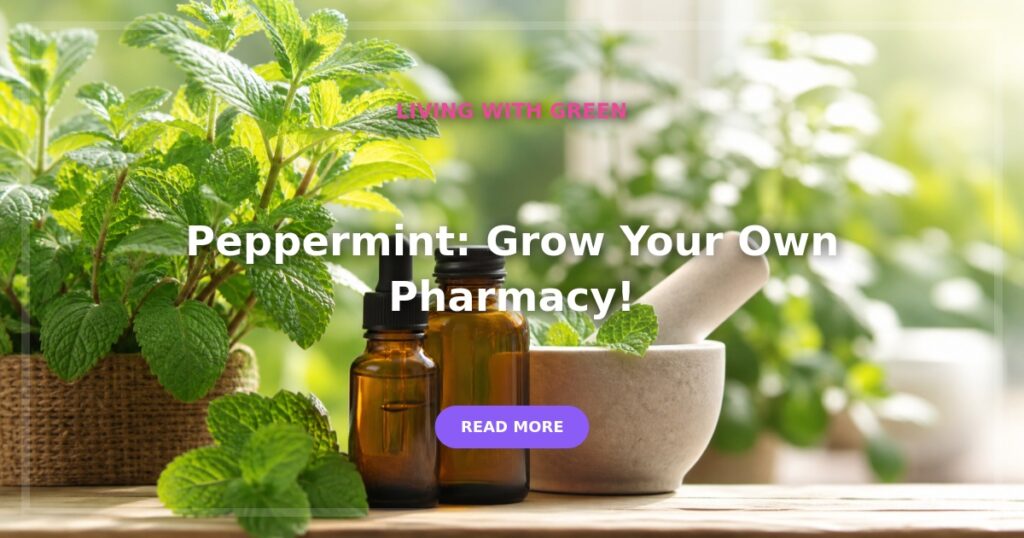
Peppermint: Grow Your Own Pharmacy!
Growing medicinal herbs right in your home can feel like a daunting task, especially if you’re just starting. But did you know that one of the easiest and most beneficial herbs to cultivate indoors is peppermint? This versatile plant not only enhances your kitchen but also offers numerous health benefits. In this guide, we’ll dive into how to grow peppermint and other fast-growing healing herbs for windowsills, making it an accessible venture for anyone interested in starting their own beginner indoor medicinal herb garden.
Introduction
Have you ever suffered from digestive issues or struggled with bad breath and wished you had a simple, natural remedy at hand? Unfortunately, many people rely on over-the-counter medications that can come with undesirable side effects. The solution? Growing your own medicinal herbs! The good news is that you can cultivate low maintenance medicinal plants for apartments such as peppermint easily and effectively. Let’s uncover how you can turn your living space into a green pharmacy with these beginner-friendly ideas!
Key Takeaways
– Peppermint is an excellent choice for an indoor herb garden.
– It’s low-maintenance and perfect for apartment living.
– You can easily create a fast-growing healing herb setup on your windowsill.
– Discover how to best nurture your plants for optimal health benefits.
The Wonders of Peppermint
Benefits of Peppermint
Peppermint (Mentha × piperita) is renowned for its myriad of health benefits. Here’s what makes peppermint a must-have in your indoor herb garden:
- Digestive Aid: Peppermint tea is a commonly used remedy for relieving digestive discomfort.
- Cooling Relief: The menthol in peppermint provides a cooling sensation, which can alleviate headaches.
- Respiratory Health: Inhaling peppermint essential oil may help to clear airways and ease breathing.
- Light: Peppermint prefers partial shade to plenty of direct sunlight—ideal for most indoor settings.
- Water: Keep the soil consistently moist but not soggy.
- Temperature: A comfortable room temperature is perfect for encouraging growth.
- Basil: Rich in antioxidants and great for culinary uses.
- Oregano: Known for its antibacterial properties.
- Thyme: Useful for respiratory issues and boosting immunity.
Ideal Growth Conditions
To ensure your peppermint thrives, it’s essential to create the right conditions:
Selecting the Best Potting Soil for Indoor Medicinal Herbs
Choosing the right soil is crucial for the health of your peppermint. The best potting soil for indoor medicinal herbs should retain moisture yet provide excellent drainage. Here’s a quick comparison of popular soil types:
| Soil Type | Retains Moisture | Drainage | Nutrient Richness |
|---|---|---|---|
| Standard Potting Soil | Moderate | Good | Moderate |
| Coconut Coir | Excellent | Good | Low |
| Peat-Based Mix | Good | Poor | High |
| Organic Mix | Moderate | Great | High |
Tips for Growing Peppermint Indoors
1. Choose the Right Container: A pot with drainage holes will allow excess water to escape, preventing root rot.
2. Sow Seeds or Plant Clippings: You can start peppermint from seeds or take cuttings from existing plants.
3. Water Properly: Use room-temperature water, allowing the soil to dry out slightly between watering.
4. Fertilization: Feed your peppermint with a balanced organic fertilizer every few weeks.
5. Pruning: Regularly trim stems to encourage bushy growth—this also prevents flowering, which can decrease the flavor profile.
By following these tips, you can create a stunning indoor herb garden that includes peppermint and potentially other healing herbs.
Creating Your Herbal Apothecary: A Step-by-Step Guide
Here’s how you can effectively grow your own indoor medicinal herb garden:
1. Gather Your Supplies: Choose a suitable container, the best potting soil for indoor medicinal herbs, and your peppermint seeds or clippings.
2. Prepare the Container: Fill your container with potting soil, leaving about an inch of space at the top.
3. Plant: If using seeds, sprinkle them lightly over the soil and cover with a thin layer of soil. If using clippings, plant them about 2 inches deep.
4. Water: Water gently to avoid washing away the seeds or clippings.
5. Place in Sunlight: Position your container in a location that gets 4-6 hours of sunlight daily.
6. Maintain Care: Check soil moisture regularly and fertilize every few weeks.
For more comprehensive herbal gardening guidance, check out the Mediccal Garden Kit to unlock the healing power of plants and transform your personal space.
Additional Herbs for Your Indoor Garden
Considering growing other herbs alongside peppermint? Here are some excellent options that fit well in beginner indoor medicinal herb garden ideas:
FAQ
How much light do indoor herbs need?
Most indoor herbs, including peppermint, thrive in areas where they receive at least 4-6 hours of sunlight daily. Consider using grow lights if natural light is insufficient.
Can peppermint be grown from cuttings?
Yes! Peppermint can be easily propagated from cuttings. Simply take a healthy stem from an existing peppermint plant, place it in water until roots develop, and then transfer it to soil.
What are some other low maintenance medicinal plants for apartments?
Besides peppermint, consider growing basil, chives, or lemon balm. They all require minimal maintenance and thrive indoors.
Conclusion
Transforming your indoor space into a personal medicinal herb garden has never been easier, especially with peppermint at the forefront. Whether you’re looking for digestive relief or simply want to enjoy its refreshing scent, peppermint is an excellent addition to your home. Not only will you enjoy the pleasure of gardening, but you’ll also have easy access to natural remedies.
Embark on your herbal gardening journey today! Explore the Mediccal Garden Kit and discover the secrets to cultivating a thriving indoor medicinal garden. Unlock the healing power of plants for a healthier, greener lifestyle!