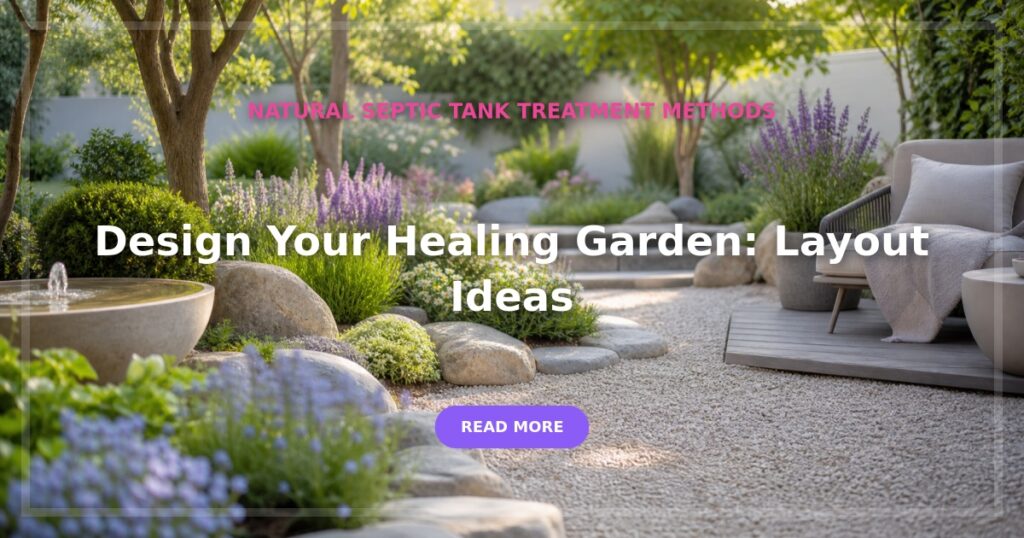
Design Your Healing Garden: Layout Ideas
Creating a healing garden can be a transformative experience, allowing you to cultivate not just plants but also a sense of peace and wellness. Whether you are an experienced gardener or just starting your journey, designing your healing space can provide you with therapeutic benefits and a connection to nature. Many people struggle with optimizing their space to include valuable medicinal plants, and that’s where we can help!
In this blog post, we will explore inspiring layout ideas for your healing garden, keeping in mind various space constraints and the beginner medicinal herb garden setup. You’ll discover the top medicinal plants for home apothecaries and learn about easy-to-grow medicinal herbs for teas. Let’s get growing!
Key Takeaways
– Designing a healing garden can enhance your well-being.
– Even small spaces can host a productive garden setup.
– Selecting the right herbs can make a significant difference in your health.
– Consider how your garden’s layout affects maintenance and accessibility.
Understanding the Concept of a Healing Garden
The Benefits of Medicinal Plants
A healing garden transcends mere aesthetics; it serves as a sanctuary that promotes health and wellness. Integrating medicinal plants into your garden not only beautifies your space, but it also provides you with natural remedies and healing properties that can assist with common ailments.
Beginner Medicinal Herb Garden Setup
For those who are new to gardening, starting small with a beginner medicinal herb garden setup is essential. Herbs such as basil, mint, and chamomile are excellent choices—they require minimal upkeep and have myriad health benefits.
Healing Garden Design for Small Spaces
Optimizing Your Space
If you have a limited area, fear not! A healing garden can flourish in even the tiniest corners of your home. Vertical gardening, container gardening, or even window boxes can be effective strategies for maximizing space. Here are a few layout ideas you might consider:
#### Vertical Gardening
Using trellises or vertical planters not only saves space but also adds beauty to your garden. Herbs like climbing peas and pole beans can be positioned effectively in this manner.
#### Raised Garden Beds
If you have a bit more room, consider building raised garden beds. They are easier to maintain and can be tailored to fit your particular healing herbs. A 4×6 foot raised bed can accommodate several plants and allows for optimal drainage.
#### Container Gardening
For small or balcony gardens, pots and containers can provide flexibility in placement. Choose containers that are not too deep but wide enough to allow root growth for your chosen herbs.
Top Medicinal Plants for Home Apothecary
Here is a comparison table of ideal plants and their medicinal benefits:
| Plant | Benefits | Growing Tips |
|---|---|---|
| Chamomile | Calming effects, aids in sleep and digestion | Needs full sun; water regularly |
| Peppermint | Relieves headaches, promotes digestion | Grows fast; keep contained as it can spread |
| Lavender | Reduces anxiety, promotes sleep | Thrives in sunny areas; drought resistant |
| Basil | Anti-inflammatory, rich in antioxidants | Needs warm temperatures; pinch to encourage growth |
| Echinacea | Boosts immune system, can reduce cold symptoms | Prefers well-drained soil; full/partial sunlight |
Easy-to-Grow Medicinal Herbs for Teas
If you’re looking for herbs specifically for your tea-making endeavors, consider these easy-to-grow plants that are ideal for beginners:
- Lemon Balm: Refreshing and calming; steep in hot water for a delightful tea.
- Peppermint: Can be taken fresh or dried; invigorating and soothing.
- Chamomile: A classic bedtime tea that promotes relaxation.
Step-by-Step Guide to Planning Your Healing Garden Layout
1. Assess Your Space: Determine how much space you have available for gardening.
2. Choose Your Plants: Based on your space, select the herbs that suit your health goals.
3. Design Your Layout: Sketch a plan—consider vertical vs. horizontal expansions and accessibility.
4. Prepare Soil: Use nutrient-rich soil and consider adding compost for healthy growth.
5. Plant Your Herbs: Follow the planting guidelines specific to each type of herb.
6. Maintenance: Incorporate a watering schedule and plan for weeding and harvesting.
Frequently Asked Questions
What are the most essential herbs to include in a beginner medicinal herb garden?
For beginners, consider including chamomile, peppermint, and basil. These plants are easy to care for and provide various health benefits.
How can I maintain my healing garden with limited time?
Invest in self-watering containers or drip irrigation to simplify the maintenance process. Choose drought-resistant plants that require less frequent watering.
Can I include decorative plants in my healing garden?
Absolutely! Incorporating ornamental designs with your herbal plants can enhance the visual appeal while still serving a purpose. Just ensure the decorative plants are non-toxic.
Conclusion
Designing a healing garden is an enriching venture that can cultivate not only beautiful greenery but also your well-being. By utilizing space effectively and choosing the right plants, you can create an oasis of healing at home. Remember, gardening is a journey; take your time and enjoy the process.
And as you embark on this rewarding project, consider keeping your home in top shape with solutions like Septifix—it can unlock a hassle-free septic system, saving you time and money! Happy gardening!