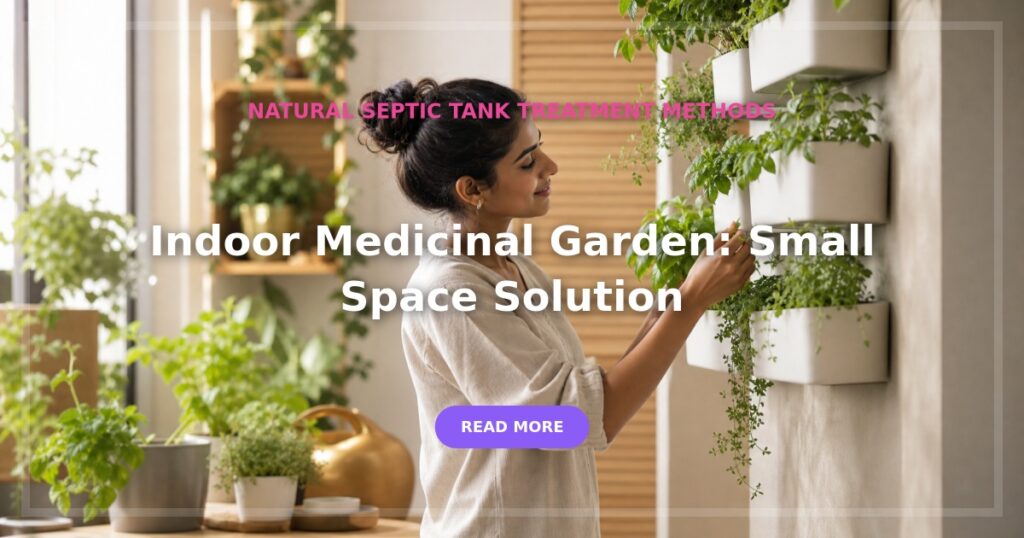
Indoor Medicinal Garden: Small Space Solution
In today’s fast-paced world, many of us are seeking natural remedies to support our well-being. However, not everyone has the luxury of sprawling landscapes or large backyards to create an outdoor garden. If you live in a small apartment or have limited outdoor space, don’t lose hope! An indoor medicinal garden can be the perfect solution. With the right setup, you can cultivate a variety of herbs that can serve as a home apothecary for your health needs.
Introduction
The idea of cultivating your own medicinal herbs may feel daunting, especially if you’re a beginner. What should you grow? How much space do you need? Can you really grow medicinal plants in small areas? The good news is that beginner medicinal herb garden setup can be simple and rewarding. In fact, even the tiniest of spaces can be transformed into a healing garden design that not only beautifies your home but also enhances your health.
Imagine sipping a calming chamomile tea made from herbs you grew yourself, or a soothing blend of mint and eucalyptus to ease your stress after a long day. The following sections will guide you through the essentials of creating your own indoor medicinal garden!
Key Takeaways
– You can create a medicinal herb garden, even with limited space.
– Consider easy-to-grow medicinal herbs that can thrive indoors.
– DIY herbal remedies can be a cost-effective solution for wellness.
Setting Up Your Indoor Medicinal Garden
Choosing Your Space
Before you jump into planting, assess your available space. Even a small windowsill can be an ideal spot for your herbs, thanks to the sunlight exposure. Here are some space options:
- Windowsills: Perfect for herbs that require a lot of light.
- Hanging Planters: Great for saving space and creating visual interest.
- Shelves: Use vertical space creatively with tiered shelving.
- Regular Pruning: Trim your herbs to encourage growth and prevent them from getting leggy.
- Fertilizing: Use organic fertilizers sparingly during the growing season.
- Pest Control: Inspect for pests, and opt for natural remedies like neem oil.
- Aesthetic Decor: Use colorful pots and decorative stones to enhance visual appeal.
- Relaxation Zone: Set up a small chair or cushion nearby for meditative moments.
- Natural Aromas: Consider adding a small fountain for sound and ambiance.
Selecting the Right Plants
When it comes to a home apothecary, certain plants stand out as both easy-to-grow and beneficial. Here’s a list of the top medicinal plants for home apothecary:
| Medicinal Plant | Benefits | Ease of Care |
|---|---|---|
| Chamomile | Calming for anxiety, aids sleep | Easy |
| Peppermint | Useful for digestion, refreshing aroma | Very Easy |
| Basil | Anti-inflammatory properties | Easy |
| Lemon Balm | Mood booster, helps with stress | Moderate |
| Lavender | Relaxation, promotes better sleep | Easy |
Step-by-Step Guide to Starting Your Garden
Follow this simple guide to create your indoor medicinal garden:
1. Choose Your Containers: Ensure good drainage with pots or containers.
2. Select Potting Mix: A high-quality potting mix will provide the right nutrients.
3. Plant Your Herbs: Follow the planting depth recommendations for each herb.
4. Watering Regularly: Keep the soil moist but not soggy.
5. Ensure Adequate Light: Place your garden in a well-lit spot or use grow lights if needed.
Easy-to-Grow Medicinal Herbs for Teas
Creating teas from your indoor garden can be both enjoyable and beneficial. Here are some easy-to-grow medicinal herbs for teas:
1. Peppermint: A refreshing herb that can soothe headaches and digestive issues.
2. Chamomile: Known for its calming effects and aid in sleep.
3. Lemon Balm: A mild tea that helps reduce stress and promote relaxation.
4. Thyme: Great for respiratory health and can be added to various tea blends.
Maintaining Your Medicinal Garden
Caring for your indoor medicinal garden is key to ensuring healthy plants and abundant harvests. Here are some essential maintenance tips:
Creating a Healing Environment
A healing garden design for small spaces should create a calming atmosphere. Incorporate additional elements such as:
Call to Action
If you find maintaining your garden becomes overwhelming, consider focusing on your home environment with practical solutions like maintaining a hassle-free septic system using Septifix. This can free up time for you to enjoy your indoor gardening!
Frequently Asked Questions
Can any herb be grown indoors?
Yes, many herbs can thrive indoors. However, select varieties that require less sunlight for challenging indoor conditions.
How much sunlight do medicinal herbs need?
Most herbs require at least 6 to 8 hours of sunlight daily. If sunlight is limited, consider high-efficiency LED grow lights.
How do I preserve my herbs?
You can dry your herbs by hanging them in a cool, dark spot or use them fresh. For teas, consider freezing them in ice cube trays.
Conclusion
Creating your own indoor medicinal garden is both a practical and rewarding endeavor. You don’t need an expansive outdoor area to grow your favorite easy-to-grow medicinal herbs for teas. By selecting the right plants and following a few simple steps, you can enjoy the benefits of natural remedies right from your home. Remember, taking care of your internal health can also lead to a smoother external environment, which you can explore through solutions like Septifix.
Let your healing journey start at home, one herb at a time!