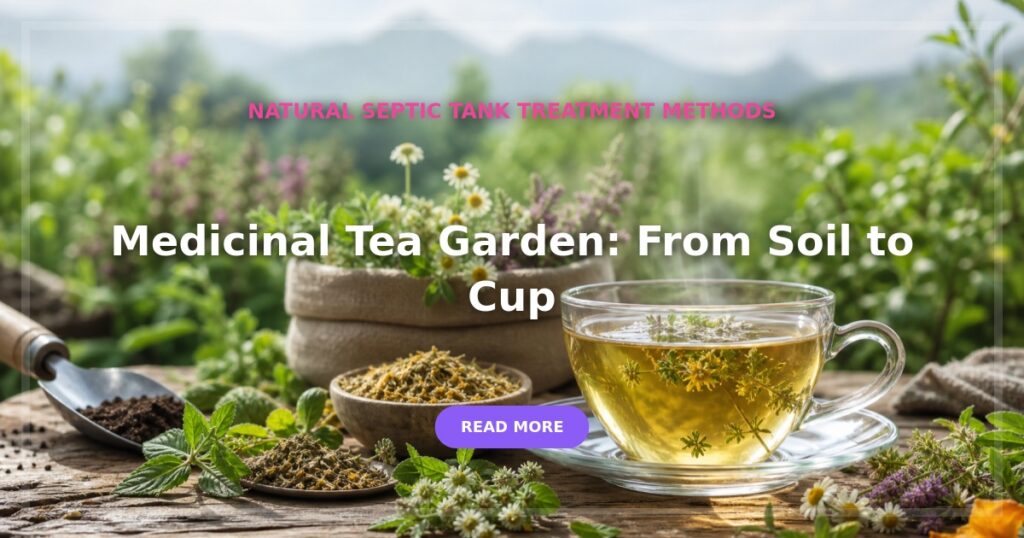
Medicinal Tea Garden: From Soil to Cup
Creating a medicinal tea garden is not just about growing plants; it’s about cultivating health and well-being right in your backyard or balcony. Imagine brewing a cup of tea from your very own garden, infused with herbs known for their healing properties. As interest in natural remedies grows, many people face the challenge of starting their own herb gardens. The good news is that with a beginner medicinal herb garden setup, anyone can enjoy the benefits of a healing garden design for small spaces.
In our guide, we’ll explore the top medicinal plants for home apothecary and provide insights into easy-to-grow medicinal herbs for teas. Plus, we’ll share practical tips for maintaining a flourishing garden that nourishes both body and soul.
Key Takeaways
>
– A small medicinal herb garden can be set up even in limited spaces.
– Knowing which easy-to-grow medicinal herbs to include can enhance your tea experience.
– Keeping your garden healthy and thriving can save you time and money, especially when paired with solutions like Septifix for efficient home management.
The Benefits of a Medicinal Tea Garden
Starting a medicinal tea garden is an excellent way to take charge of your wellness. Herbs are celebrated for their therapeutic properties, helping to alleviate common ailments like stress, digestive issues, and more. Not only do they add flavor to your teas, but they also offer rich health benefits that modern pharmaceuticals often struggle to match.
Essential Steps for a Beginner Medicinal Herb Garden Setup
#### Choosing the Right Space
Whether you have a sprawling backyard or a quaint patio, you can design a garden that meets your needs. A healing garden design for small spaces can be as simple as a few pots arranged on a windowsill or balcony. Consider these aspects when deciding where to set up your garden:
- Sunlight: Most herbs thrive in full sun (6-8 hours a day).
- Accessibility: Ensure you can easily reach your plants for maintenance and harvesting.
- Drainage: Good drainage is essential to prevent root rot.
#### Selecting Your Herbs
Choosing the right plants is crucial. Here’s a quick table of the top medicinal plants for home apothecary that are easy to grow and perfect for tea:
| Herb | Benefits | Growing Tips |
|---|---|---|
| Peppermint | Aids digestion, relieves headaches | Thrives in well-drained soil, needs sun |
| Chamomile | Calming properties, aids sleep | Grows well in containers, requires little care |
| Lemon Balm | Reduces stress and anxiety | Prefers partial shade, regular watering |
| Ginger | Anti-inflammatory, boosts immunity | Needs warmth; can be grown indoors |
| Lavender | Calming scent, helps with rest | Requires full sun; drought-tolerant |
#### Soil and Watering
Start with high-quality potting soil, which provides essential nutrients. Ensure your pots have drainage holes to prevent overwatering—an important factor in your garden’s success. Regularly check moisture levels; herbs prefer being consistently moist rather than waterlogged.
Easy-to-Grow Medicinal Herbs for Teas
Herbs are versatile and can be enjoyed in various forms. Here are some easy-to-grow medicinal herbs perfect for your teas:
1. Peppermint: Refreshing and soothing, peppermint tea can alleviate digestive discomfort.
2. Lemon Balm: Known for its calming effects, lemon balm tea is ideal before bedtime.
3. Chamomile: This gentle herb promotes relaxation and better sleep.
4. Rosemary: Often overlooked, rosemary tea offers cognitive boosts and improved mood.
5. Thyme: Not only a culinary delight, thyme tea can help combat respiratory issues.
Maintaining Your Medicinal Tea Garden
Step-by-Step Checklist for Garden Maintenance
1. Watering: Water your herbs regularly but allow the soil to dry between watering.
2. Pruning: Remove dead or yellowing leaves to encourage new growth.
3. Fertilizing: Use organic fertilizer to enhance soil quality.
4. Pest Management: Regularly check for pests. Use natural deterrents like neem oil when necessary.
5. Harvesting: Pick leaves regularly to encourage bushy growth and prevent over-flowering.
Companion Planting for Healthier Plants
Consider companion planting where certain plants support the growth of others. For instance, planting basil with tomatoes can deter certain pests while enhancing flavors.
Tools for Success
Invest in a few essential gardening tools: pruning shears, a hand trowel, and a watering can. These will be the backbone of your gardening toolkit.
Frequently Asked Questions (FAQ)
How much sunlight do medicinal herbs need?
Most medicinal herbs require at least 6 hours of sunlight daily. Some can thrive in partial shade, but full sun is generally best.
Can I grow a medicinal herb garden in containers?
Yes! Many herbs thrive in pots. Just ensure the containers have proper drainage holes and provide ample sunlight.
What should I do if my herbs attract pests?
Use natural pest deterrents like neem oil or introduce beneficial insects like ladybugs to your garden.
Conclusion
Starting a medicinal tea garden is an enriching experience that connects you with nature while providing health benefits. With a beginner medicinal herb garden setup and careful planning, your small space can transform into a healing sanctuary. As you sip on your homemade herbal teas, you can take pride in your sustainable approach to wellness.
And as you cultivate your garden, remember that maintaining a healthy system is beneficial not just for your plants but for your household too. For those interests in home management, explore solutions like Septifix to ensure efficiency in other domestic responsibilities. Discover how Septifix can save you time and money today!.
Start your journey from soil to cup today. Happy gardening!