
This article contains affiliate links. We may earn a commission if you buy through them, at no extra cost to you.
Best Budget Plant-Based Protein Sources for Dinner: What to Buy and How to Use Them
Meta description: Looking for cheap plant based protein sources for dinner? Compare beans, lentils, tofu, tempeh, chickpeas, peanut butter, and TVP, and learn to calculate cost per serving from shelf tags.
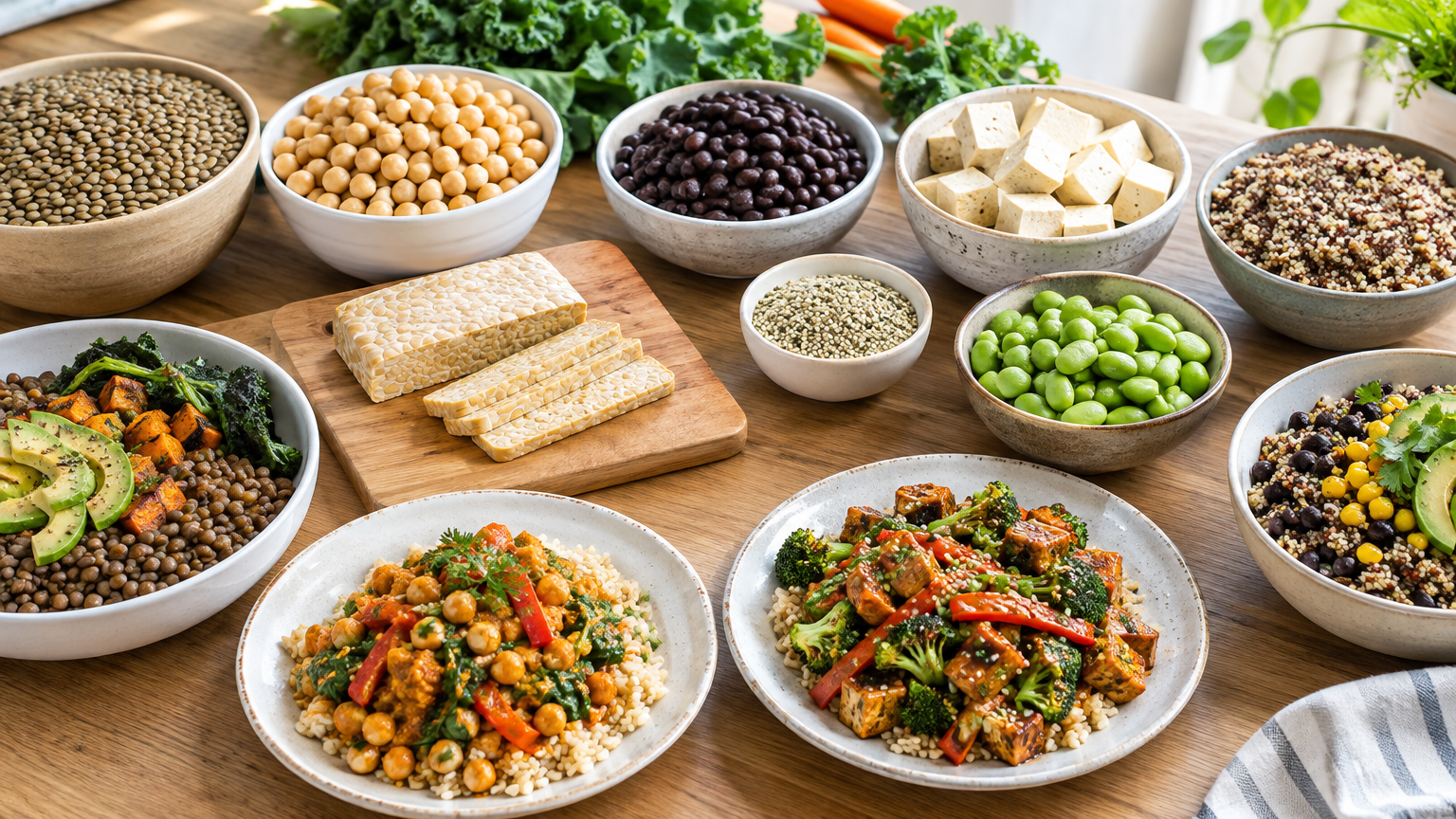
Dried or canned beans, lentils, chickpeas, and textured vegetable protein (TVP) are usually the lowest-cost cheap plant based protein sources for dinner. Tofu, tempeh, and peanut butter often cost more per serving, but they save prep time or add variety. Check this against the unit prices on your own store's shelf tags.
This guide gives you a side-by-side comparison, a step-by-step cost-per-serving method, and practical dinner ideas.
Disclosure: This article may contain affiliate links. Nutrition information here is general and not medical advice.
Key Takeaways
- Dried legumes and TVP are the most likely low-cost picks, but local prices decide.
- Canned legumes and pressed tofu trade a little extra cost for much less effort.
- Compare products using cost per serving and cost per 10 g of protein, taken from the label.
- Pick two or three staples that fit your cooking time rather than buying one of everything.
Quick Answer: Which Cheap Plant Based Protein Sources for Dinner Are Worth Buying?
Choose by goal:
- Lowest likely cost: dried beans, lentils, dried chickpeas, TVP
- Lowest effort: canned beans, canned chickpeas, pressed or pre-cooked tofu
- Most meat-like texture: TVP, tempeh, extra-firm tofu
- Pantry backup: peanut butter, canned legumes
Prices vary by store and region, so use the method below instead of relying on a fixed price.
Comparison Table: Format, Storage, Prep Effort, Best Dinner Uses
| Protein | Common formats | Storage | Prep effort | Best dinner uses |
|---|---|---|---|---|
| Beans | Dried, canned, sometimes frozen or pouched | Dried: cool, dry pantry. Canned: pantry. Cooked leftovers: refrigerator or freezer | Dried: soak and simmer. Canned: rinse and heat | Chili, burritos, soups, rice bowls |
| Lentils | Dried, canned, pouched | Dried: pantry | Dried: usually no soak, simmer (check package) | Dal, soups, stews, lentil "bolognese" |
| Tofu | Shelf-stable, refrigerated blocks (soft to extra-firm), pre-baked | Check package. Refrigerate after opening | Low to moderate: drain, press (optional), season | Stir-fries, scrambles, baked cubes, curries |
| Tempeh | Refrigerated or frozen blocks | Follow package. Refrigerate or freeze | Moderate: slice, sometimes steam, then sear or bake | Sandwiches, grain bowls, crumbles, stir-fries |
| Chickpeas | Dried, canned | Same as beans | Dried: soak and simmer. Canned: rinse | Curries, roasted chickpeas, salads, pasta |
| Peanut butter | Jars | Pantry (check label) | Very low | Peanut sauces, noodles, stews, dressings |
| TVP | Dry granules or chunks | Dry pantry. Rehydrated: refrigerate | Low: rehydrate in hot liquid and season | Tacos, chili, sloppy joes, pasta sauce |
Always confirm storage and cook times against the package label, since brands differ.
How to Compare Cost Per Serving Using Shelf Tags and Package Weights
Shelf prices change often, so a method is more useful than a number. This one takes a few minutes in the store.
What You Need
- Shelf tag: the price and the unit price (per ounce, pound, or count)
- Package net weight and servings per container from the Nutrition Facts panel
- Serving size and protein grams per serving from the same panel
Step-by-Step
1. Find the shelf price and the servings per container on the label. 2. Calculate cost per serving: shelf price ÷ servings per container. 3. Calculate cost per protein: cost per serving ÷ protein grams per serving. Multiply by 10 or 20 to compare per 10 g or 20 g of protein. 4. Use the shelf tag's unit price to compare sizes within the same product type, such as two sizes of the same lentils. 5. Compare the same state of product: dry against dry, canned against canned. Dried beans and lentils expand when cooked, so judge them by the label's serving, not by raw package weight. 6. Record your numbers in a notes app or spreadsheet.
Fill-in Worksheet (no prices quoted)
| Item | Shelf price | Package weight | Servings | Protein per serving | Cost per serving | Cost per 10 g protein |
|---|---|---|---|---|---|---|
| Example: dried lentils | ___ | ___ | ___ | ___ | ___ | ___ |
| Example: canned chickpeas | ___ | ___ | ___ | ___ | ___ | ___ |
| Example: extra-firm tofu | ___ | ___ | ___ | ___ | ___ | ___ |
| Example: TVP | ___ | ___ | ___ | ___ | ___ | ___ |
Want a printable version? Get a printable cost-per-serving worksheet and shopping checklist.
Common Pitfalls
- Comparing different serving sizes. One product's serving may be a different weight than another's, so always normalize with cost per 10 g of protein.
- Ignoring drained weight on canned goods. Liquid is part of the can's weight but not the food you eat. Use the label's serving information.
- Forgetting add-ins. Oil, spices, sauces, and grains add to the real cost of dinner. A cheap protein with expensive seasoning may not stay cheap.
- Assuming store brand or bulk is cheaper. Check the unit price. Sometimes it is, sometimes it isn't.
What to Buy: Best Picks by Dinner Need
Lowest Cost Per Serving (verify with your shelf tags)
Dried beans, lentils, dried chickpeas, and TVP are the usual front-runners because you pay for the food itself rather than water, packaging, or refrigeration. Confirm with your own math. A sale on canned beans can beat an unsold dried bag.
Fastest Weeknight Options
Canned beans or chickpeas need only a rinse and a heat-through. Pre-pressed or pre-baked tofu skips the draining step. TVP rehydrates quickly in hot liquid. These cost a bit more in some stores but can cut dinner prep sharply.
Best for Meal Prep
Cook dried legumes in a big batch and portion them for the week. Baked tofu or tempeh also holds up well in lunch and dinner containers. Follow the package guidance on how long opened or cooked items keep.
Best Pantry Backups
Canned legumes, peanut butter, and TVP keep well in the pantry, so they rescue dinner when fresh groceries run out. If you are stocking up, browse pantry-friendly plant-based protein staples and compare the unit prices against your local store using the worksheet above.
Buying Tips
- Compare store brand and name brand unit prices.
- Check sodium and ingredients on canned goods. Rinsing canned beans is a common way to reduce surface sodium.
- Consider frozen options or bulk bins where available.
- Buy only what you can store and use. Cheap food that gets thrown away isn't cheap.
How to Use Each Protein for Dinner
Beans and Chickpeas
Rinse canned versions. Simmer with spices, tomatoes, or broth so they absorb flavor. Dried versions need soaking and simmering per the package. Mash some beans into the pot to thicken chili or soup. Chickpeas also roast well for bowls and salads.
Lentils
Cook lentils directly into soups, stews, or curries. Many varieties don't need soaking, but check the package. Red lentils tend to break down into a creamy texture, while firmer varieties hold their shape for salads and bowls.
Tofu and Tempeh
Press and sear tofu so it browns instead of steaming. Slice and brown tempeh, and steam it first if the package suggests that to soften any bitterness. Both take on flavor from marinades, so use bold sauces such as soy-ginger, barbecue, or curry paste.
Peanut Butter
Whisk peanut butter into a sauce with soy sauce, an acid like lime juice or vinegar, and hot water until smooth. Toss it with noodles and vegetables, or stir a spoonful into a stew. Check the label for added sugar and salt.
TVP
Rehydrate TVP in hot broth, then season well, since it is mild on its own. Cook it in a sauce so it absorbs flavor and develops a ground-meat-like texture. It suits tacos, chili, sloppy joes, and pasta sauce.
Sample Budget Dinner Combos
These are ideas only, with no cost claims. Run your own numbers with the worksheet.
- Lentil and rice bowl with vegetables: simmer lentils with garlic and cumin, then serve over rice with whatever vegetables are on hand.
- Chickpea and tomato curry: simmer chickpeas in canned tomatoes with curry spices and serve with rice or flatbread.
- TVP tacos with beans: season rehydrated TVP with taco spices, then add warmed beans, salsa, and shredded cabbage.
- Tofu stir-fry with peanut sauce: sear pressed tofu, add frozen or fresh vegetables, and finish with a whisked peanut sauce.
- Tempeh grain bowl: brown sliced tempeh and pile it over cooked grains with greens and a sauce of your choice.
Storage and Waste-Reduction Tips
- Store dried goods airtight in a cool, dry place.
- Freeze cooked beans in meal-size portions so you can thaw only what you need.
- Use opened tofu or tempeh within the time stated on the package.
- Label rehydrated TVP with the date and refrigerate promptly. [VERIFY: check the TVP package for its recommended refrigerated storage time.]
- Plan two or three dinners around the same cooked batch, such as lentils in a bowl one night and soup the next.
FAQs
What is the cheapest plant-based protein for dinner?
Usually dried beans, lentils, or TVP, but it depends on local prices. Use the cost-per-serving and cost-per-protein steps to check at your own store.
Are canned beans or dried beans the better value?
Dried often has a lower cost per serving, but canned saves time. Compare shelf-tag unit prices and factor in your prep time.
How do I compare tofu, tempeh, and TVP fairly?
Use the label's serving size and protein grams, calculate cost per serving and per 10 g of protein, and compare in the same prepared state when possible. TVP is sold dry and expands when rehydrated, so rely on the label's serving rather than package weight.
Conclusion and Next Step
The cheapest option is the one your own shelf tags support, and the cost-per-serving method lets you check that in minutes. Choose two or three staples, such as one dried legume, one quick canned or pressed option, and one pantry backup, and match them to how much time you have to cook.
Ready to start? Download or print the worksheet and take it on your next grocery run, or shop the staples list and compare unit prices before you buy.
This article offers general nutrition and shopping information and is not medical advice. For dietary needs or health conditions, consult a qualified professional.