
This article contains affiliate links. We may earn a commission if you buy through them, at no extra cost to you.
Medicinal Garden Kits as Gifts: Who They Suit and What to Look For
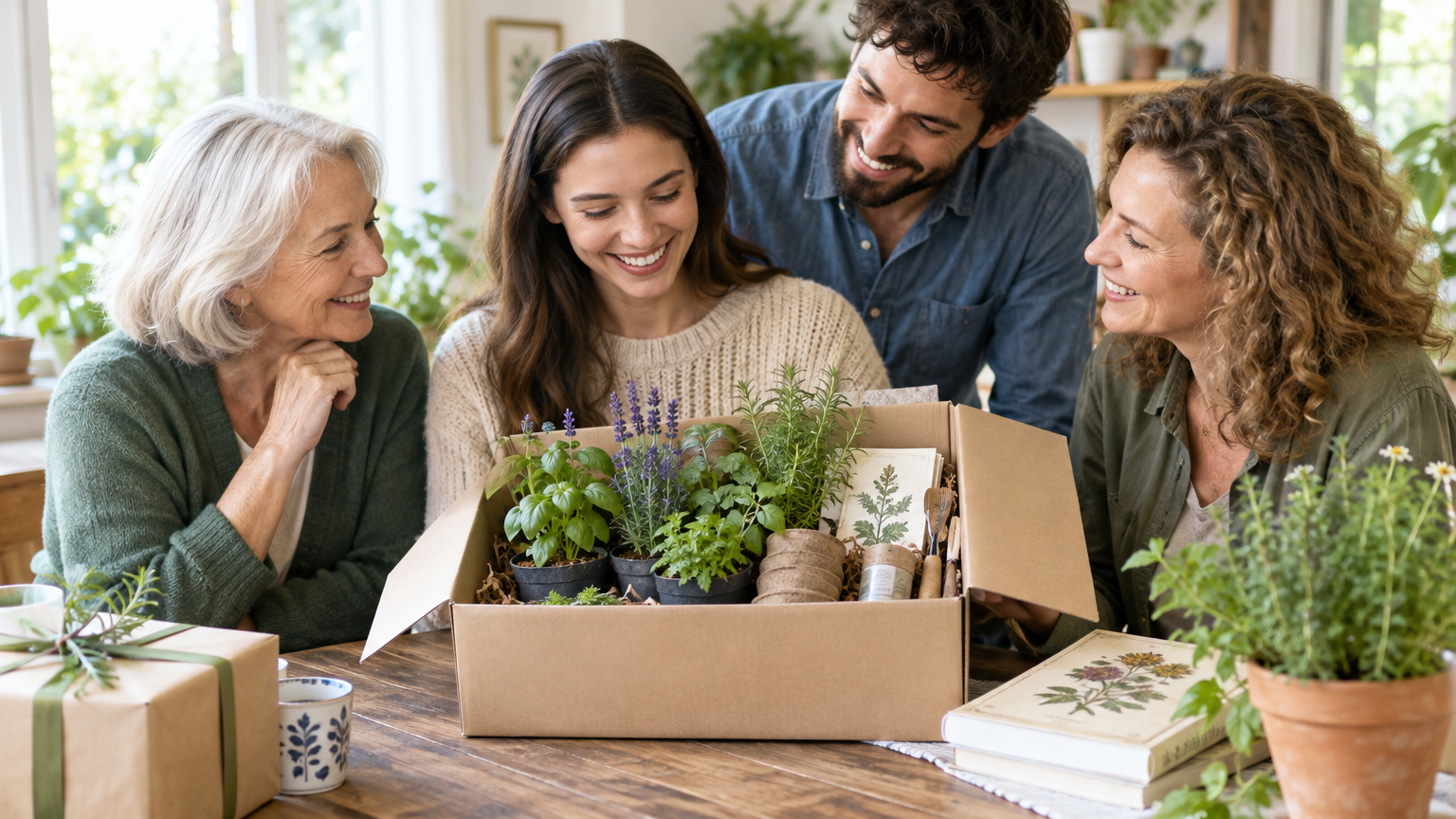
A medicinal garden kit gift pairs a hands-on project with a learning experience. The recipient plants, tends, and watches something grow, and picks up some plant knowledge along the way. "Medicinal" here refers to herbs with a history of traditional use. This guide makes no health claims and does not suggest any plant treats or prevents any condition.
Quick Answer: Is a Medicinal Garden Kit a Good Gift?
Yes, when the kit matches the recipient's experience level, available space, and the planting season. The best gift kits have clear instructions, complete contents, presentable packaging, and realistic expectations about what growing involves.
A kit is a weaker choice if the recipient:
- Has no interest in plants or gardening
- Has no usable light source, such as a bright window, balcony, or yard
- Lives with pets or young children who could be at risk around certain plants
Key Takeaways
- Match the kit to the person first: experience, space, and interests.
- Check instructions, contents lists, and packaging before you buy.
- Consider the planting window and the date the gift will be opened.
- Review the plant list for pet and child safety, and verify with reliable sources.
- Present the kit as a growing and learning project, not a treatment.
Which Kit Type Suits Which Recipient
Most mismatches happen when a kit built for one kind of gardener lands with another. A sprawling, multi-plant set can overwhelm a first-timer, while a single-pot starter can bore an experienced hobbyist.
New Gardeners
First-time growers do best with a narrow, forgiving setup. Look for:
- Few plant varieties. Three or four is easier to manage than a dozen, and each plant has different water and light needs.
- Step-by-step guidance that assumes no prior knowledge.
- Forgiving plants. Check whether the kit describes its plants as suited to beginners. If it doesn't say, treat that as a question to answer before buying.
- Everything needed to start, such as containers, growing medium, and markers, so the recipient doesn't have to shop for missing pieces.
Example: A coworker who has only ever kept a single houseplant would likely enjoy a small starter set with a short plant list and a printed care timeline more than a large collection.
Apartment Dwellers
Space is the main constraint, so look for:
- Compact containers that fit a windowsill, shelf, or small balcony.
- Indoor-friendly setups, clearly stated.
- Drainage solutions, such as trays or saucers, so water doesn't damage furniture or floors.
- A light requirement that fits the home. A north-facing studio and a sunny south-facing balcony call for different kits. [VERIFY: confirm the kit states light needs in plain terms.]
Example: For a friend in a city apartment with one bright window, a compact, tray-included kit that lists its light needs is a safer pick than one that assumes a garden bed.
Hobbyist Herb Enthusiasts
Someone who already grows culinary herbs or brews their own teas may want more depth. Look for:
- More variety, including less common herbs.
- Seed-starting or propagation projects, which add skill-building.
- Room to experiment, such as extra containers or space to expand.
- Reference material on growing, harvesting, and drying.
For readers who want to understand traditional herb growing before choosing, this introductory resource on herb gardening basics can help you judge how much detail an enthusiast might want.
Plant-Curious Teens
Teens often respond to projects that show results quickly and feel like more than a chore. Look for:
- A quick, visible start, such as seeds that sprout in days to weeks rather than months. Check the kit's stated timeline.
- A project-style format, such as tracking growth, labeling parts, or keeping a journal.
- Learning content on plant parts, how plants grow, and the traditional uses of herbs.
Suggest adult guidance for any safety questions, especially about handling or tasting plants. A teen's curiosity is a good reason to gift the kit, but it is not a substitute for supervision.
Gift-Specific Criteria to Evaluate
A good growing kit is not automatically a good gift kit. A gift has to work the moment it's opened, often by someone who didn't choose it.
Clear Instructions
- Plain-language steps without jargon.
- Visual guides, such as diagrams or photos.
- A care timeline showing what to do in week one, week four, and beyond.
- Guidance for seeds that don't sprout. Germination isn't guaranteed, so good instructions explain what to check and what to try next. Without this, a recipient may assume they failed.
Packaging and Presentation
- A gift-ready box that doesn't need re-wrapping.
- Organized contents that look appealing when opened.
- No missing parts. Compare the contents list against the product description.
- Space for a handwritten note, either inside the box or on a flat surface you can attach a card to.
Skill Level
Look for a stated difficulty level and honest labeling that distinguishes beginner kits from those for experienced growers. If a kit gives no indication, the instructions and plant list are your best clues.
Space and Light Needs
Check the kit's footprint (how much surface it needs), whether it suits indoor, outdoor, or both, and its sunlight requirements. A kit that needs full sun is a poor gift for someone with only a dim room.
Seasonal Timing
- Match the planting window to the recipient's climate and the gifting date. Planting times vary by region. [VERIFY: confirm the kit's recommended planting window for the recipient's location.]
- If timing is off, choose an indoor-friendly kit, or pair the gift with a planting-date note so the recipient can store the kit until the right time.
Safety and Expectation Setting
Because these kits involve plants with traditional uses, some extra care is worthwhile.
- Check that plant lists are clearly labeled. You and the recipient should know exactly what is growing.
- Look for pet and child safety notes. If the kit doesn't include any, check each plant with a reliable source, such as a veterinary or poison-control resource, before gifting to a household with animals or young children.
- Encourage recipients to consult a qualified professional before ingesting or using any herb for health purposes.
- Frame the gift as a growing and learning experience, not a treatment. A card that says "Enjoy growing something new" sets the right tone.
How to Choose: Practical Steps
1. Identify the recipient type and experience level. Is this a new gardener, an apartment dweller, a hobbyist, or a teen? 2. Confirm their space, light, and climate. Ask casually, or think about what you've seen in their home. 3. Pick a kit scope: a starter kit (few plants, minimal commitment), a themed kit (such as tea herbs), or an expanded kit (more plants and projects). 4. Review the contents list and instructions before buying. If instructions aren't viewable, that's a reason to hesitate. 5. Check seasonal timing and shipping or delivery windows. Make sure the kit arrives before the gifting date and that nothing perishable sits too long. 6. Verify the return or replacement policy for damaged or missing items. 7. Add personal touches, such as a handwritten note, a small hand tool, or a set of plant markers.
When you're ready to compare options, you can browse medicinal garden kit options and apply this checklist to each listing.
Quick Matching Table
| Recipient | Best-fit scope | Prioritize | Watch out for |
|---|---|---|---|
| New gardener | Starter | Simple steps, few plants, complete supplies | Overly large plant lists |
| Apartment dweller | Starter or themed | Compact size, drainage, stated light needs | Kits needing full outdoor sun |
| Hobbyist | Themed or expanded | Variety, propagation, reference material | Kits too basic to be interesting |
| Plant-curious teen | Starter or themed | Quick start, project format, learning content | Unclear plant labels, no safety notes |
Questions to Ask Before Buying
- Has the recipient grown anything before?
- Do they have a sunny windowsill, balcony, or yard?
- Do they have pets or young children in the home?
- Are they more interested in tea, cooking, crafts, or learning?
- When will they realistically plant it?
- Does the kit list all plants, and does it include everything needed?
- Are the instructions easy to follow?
- Is the packaging gift-ready?
If you can't answer the first four, a themed starter kit with an indoor-friendly setup is usually the lowest-risk choice.
FAQs
What makes a good medicinal garden kit gift for a beginner?
A short plant list, simple instructions, included supplies, and a low-maintenance setup. A care timeline and troubleshooting tips for seeds that don't sprout help new gardeners stay confident.
Can I give a kit out of season?
Yes, if the kit suits indoor growing or the recipient can store it until the right planting window. Include a note with timing guidance so they know when to start.
Are medicinal garden kits safe for teens or households with pets?
It depends on the plants included. Review the plant list, check for safety information, and supervise teens as needed. Verify any plant's pet safety with a reliable source before gifting to a home with animals.
Conclusion
The best medicinal garden kit gift comes from matching, not guessing: the recipient, their space, their skill level, and the season. A new gardener needs simplicity, an apartment dweller needs compactness, a hobbyist wants depth, and a teen wants a project with quick, visible progress. Whatever the recipient, look for clear instructions, complete contents, gift-ready packaging, and honest safety information.
Before you choose, run through the questions above and the step-by-step checklist. When you're ready to compare options, view available kits and check their contents lists against your answers, and add a personal note so the gift feels thoughtful.