
This article contains affiliate links. We may earn a commission if you buy through them, at no extra cost to you.
Easy Plant-Based Pasta Dinners for Beginners: 8 Cheap Ideas With Simple Ingredients
Meta description: Eight easy plant based pasta dinners made with budget staples like canned tomatoes, beans, frozen vegetables, and basic aromatics. Includes ingredient lists, swaps, and tips to stretch your sauce.
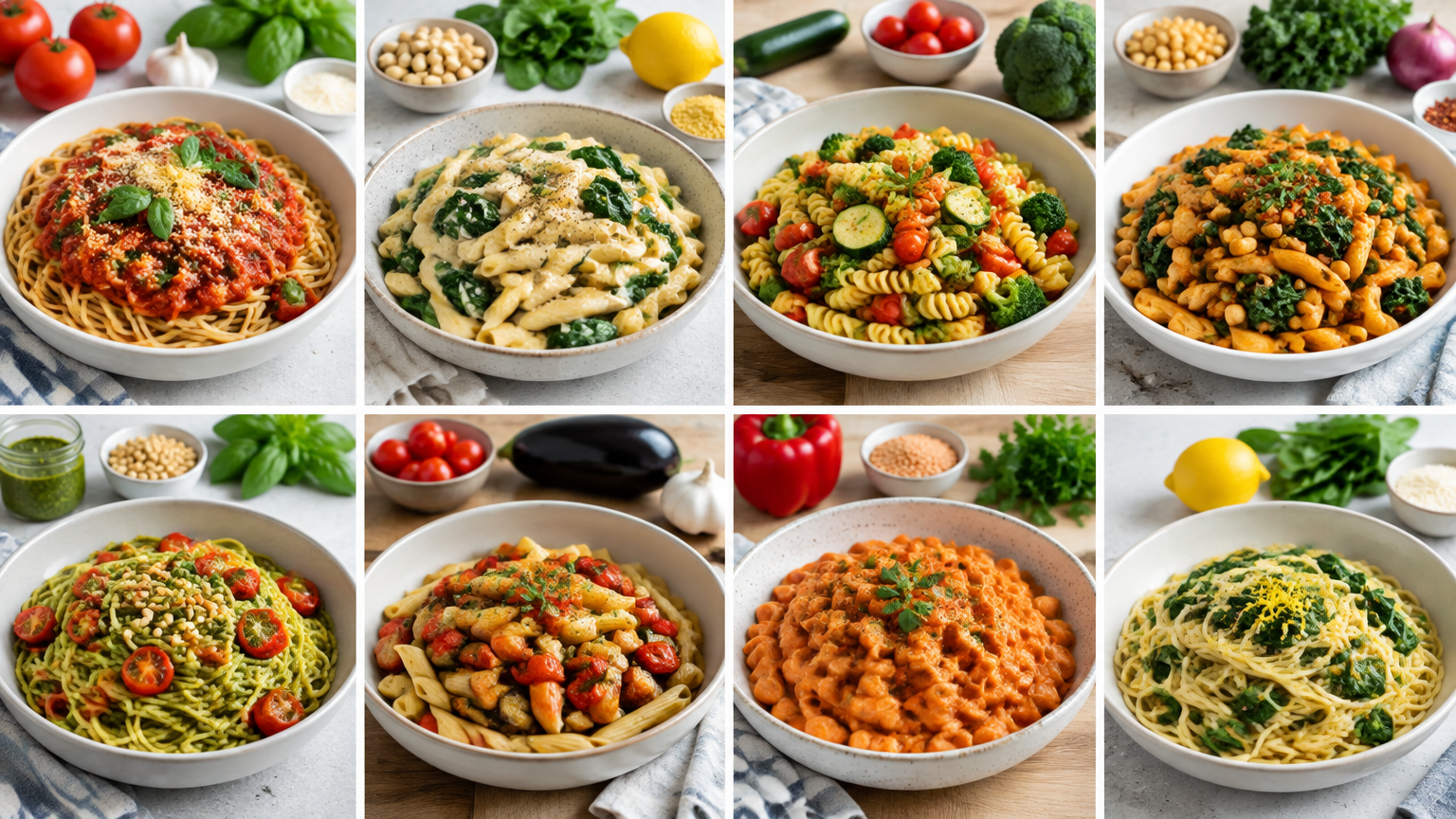
Plant-based pasta night doesn't need specialty products or a long shopping list. Most of what you need is probably in your pantry or freezer already. Below are eight simple dinners built from those staples, with ingredient lists, swaps, and tips for stretching your sauce.
Quick answer: Easy plant based pasta dinners rely on a few budget staples: dried pasta, canned tomatoes, beans or lentils, frozen vegetables, and aromatics like garlic and onion. Cook the pasta, build a quick sauce in one pan, combine with a splash of pasta water, and season with salt, pepper, and an acid like lemon or vinegar.
Key Takeaways
- A handful of staples can make dozens of different dinners.
- Beans, lentils, and chickpeas add substance to any sauce.
- Reserved pasta water helps a small amount of sauce coat a lot of pasta.
- Acid and salt are the quickest fixes for bland pasta.
- Nearly every recipe here accepts swaps, so use what you have.
What You Need in a Budget Plant-Based Pasta Pantry
Core staples
- Dried pasta (spaghetti, penne, rotini, or whatever shape you like)
- Canned crushed or diced tomatoes
- Canned beans, chickpeas, or lentils
- Frozen spinach, peas, broccoli, or mixed vegetables
- Olive oil or any neutral oil
Basic aromatics and flavor boosters
- Onion and garlic
- Dried Italian herbs
- Red pepper flakes
- Tomato paste
- Soy sauce
- Lemon or vinegar
If you're building a pantry from scratch, a beginner-friendly list of plant-based pantry staples can help you plan a first shopping trip.
Check labels
Most dried pasta is made from just wheat and water, but some varieties, especially fresh or egg pastas, contain egg. Read the ingredient list to confirm a pasta is plant-based. The same goes for store-bought sauces and broths.
How to Make Easy Plant Based Pasta Dinners: The Basic Method
Every recipe below follows this same pattern.
1. Boil and cook the pasta. Use well-salted water. Before draining, reserve about a cup of the cooking water. 2. Soften the aromatics. Cook chopped onion and garlic in oil over medium heat until fragrant and soft. 3. Build the sauce. Add tomatoes, beans, or vegetables and simmer until everything is hot and slightly thickened. 4. Combine. Toss the pasta into the sauce, adding pasta water a splash at a time until it looks glossy. 5. Taste and adjust. Add salt, acid, or heat until it tastes balanced.
8 Cheap, Easy Plant-Based Pasta Dinners
1. Pantry Marinara Pasta
A basic tomato sauce you can make with almost no planning.
Ingredients: pasta, 1 can crushed tomatoes, 1 small onion, 2–3 garlic cloves, olive oil, dried Italian herbs, salt
Method: Soften the onion and garlic in oil, add tomatoes and herbs, and simmer 10–15 minutes. Toss with cooked pasta and a splash of pasta water.
Swaps: Use diced tomatoes for a chunkier sauce. Add a pinch of red pepper flakes for heat.
2. White Bean and Garlic Pasta
A light, savory dish with no tomatoes.
Ingredients: pasta, 1 can white beans (drained), 3–4 garlic cloves, olive oil, lemon, frozen spinach, salt, pepper
Method: Gently cook sliced garlic in oil, add beans and spinach, and warm through. Toss with pasta, pasta water, and a squeeze of lemon.
Swaps: Use chickpeas or any mild bean. Try vinegar instead of lemon.
3. Chickpea and Tomato Pasta
Hearty and a little smoky.
Ingredients: pasta, 1 can chickpeas, 1 can diced tomatoes, 1 onion, olive oil, paprika or chili flakes, salt
Method: Cook the onion in oil, stir in paprika, then add chickpeas and tomatoes. Simmer 10 minutes and toss with pasta.
Swaps: Swap in white beans or lentils. Use a small shape like shells or macaroni so the chickpeas nestle in.
4. Lentil Bolognese-Style Pasta
A thick, meaty-style sauce without the meat.
Ingredients: pasta, 1 can lentils (or about 1½ cups cooked), 1 can crushed tomatoes, 1 onion, 1 carrot (if available), 2 tablespoons tomato paste, garlic, oil, dried herbs
Method: Cook the chopped onion, carrot, and garlic in oil. Stir in tomato paste for a minute, then add tomatoes and lentils and simmer 15–20 minutes. Serve over pasta.
Swaps: Use brown or green lentils, or crumbled firm tofu. Skip the carrot or use celery.
5. Garlic and Oil Pasta With Frozen Broccoli
A minimalist dinner that comes together fast.
Ingredients: pasta, 2 cups frozen broccoli, 4 garlic cloves, olive oil, red pepper flakes, salt
Method: Add the broccoli to the pasta water for the last few minutes of cooking. Warm sliced garlic and pepper flakes in oil, then toss everything together with pasta water.
Swaps: Use frozen peas, green beans, or spinach. Add a squeeze of lemon or a splash of vinegar.
6. Creamy Tomato Pasta With Peas
Creamy without dairy.
Ingredients: pasta, 1 can crushed tomatoes, 1 cup frozen peas, onion, garlic, oil, plant milk or ½ can blended white beans, salt
Method: Make a simple tomato sauce, then stir in a splash of plant milk or blended beans. Add peas for the last few minutes.
Swaps: Use any unsweetened plant milk. Spinach or corn can replace the peas.
7. Peanut-Soy Noodle-Style Pasta
Pasta with a noodle-bowl twist.
Ingredients: spaghetti or linguine, 2–3 tablespoons peanut butter, 2 tablespoons soy sauce, 1–2 garlic cloves, frozen mixed vegetables, vinegar or lime, hot water
Method: Whisk peanut butter, soy sauce, garlic, and vinegar with a little hot pasta water until smooth. Toss with cooked pasta and warmed vegetables.
Swaps: For a nut-free version, use sunflower seed butter. For gluten-free, use gluten-free pasta and tamari (check the label).
8. One-Pot Tomato and Bean Pasta
The easiest cleanup of the bunch.
Ingredients: short pasta, 1 can diced tomatoes, 1 can kidney or cannellini beans, onion, garlic, water or broth, frozen vegetables, dried herbs, salt
Method: Cook the onion and garlic, then add tomatoes, beans, herbs, and enough liquid to cover the pasta. Simmer, stirring often, until the pasta is tender, adding vegetables near the end.
Swaps: Use any bean. Gluten-free pasta may cook faster, so start checking it early.
How to Make Your Sauce Stretch Across More Servings
- Add bulk. Beans, lentils, or frozen vegetables increase volume without much extra effort.
- Use pasta water. Starchy water thins and coats without needing more sauce.
- Build depth another way. Tomato paste or a splash of soy sauce adds flavor so you don't need extra cans of tomatoes.
- Blend some beans. Mash or blend part of a can into the sauce for body.
- Pad the plate. Serve over a generous portion of pasta with a side salad or bread.
- Store smart. Keep leftover sauce separate from pasta, then refrigerate or freeze it in portions.
Easy Swaps and Substitutions
Pasta swaps
Any shape works with most sauces. Whole wheat and gluten-free pastas are fine substitutes; follow the package times, since they can cook differently.
Protein swaps
Canned beans, lentils, and chickpeas are interchangeable in most recipes. Crumbled firm tofu also works in the tomato-based sauces.
Vegetable swaps
Frozen spinach, peas, broccoli, and mixed vegetables all work. Stir them in near the end so they don't turn mushy.
Flavor swaps
Change the herbs, add spices like paprika or cumin, or finish with lemon or vinegar. Nutritional yeast, if you have it, adds a savory, cheesy note. For a quick reference on ingredient stand-ins, see this plant-based substitution guide.
Beginner Tips for Better Flavor
- Salt the pasta water. It seasons the pasta from the inside.
- Don't skip the acid. Lemon or vinegar brightens flat-tasting sauces.
- Toast tomato paste. Cook it briefly in oil before adding liquid.
- Finish well. A drizzle of olive oil, black pepper, or dried herbs makes a simple dish feel complete.
Frequently Asked Questions
Are easy plant based pasta dinners filling enough?
Yes, when you include beans, lentils, or chickpeas and vegetables alongside the pasta. Those additions make the meal more substantial than plain noodles with sauce.
How can I make plant-based pasta without expensive ingredients?
Rely on dried pasta, canned tomatoes, beans, frozen vegetables, and basic aromatics. Swap what you have on hand for what a recipe calls for.
Can I store or freeze leftovers?
Generally, cooked pasta and sauce can be refrigerated in airtight containers. Sauces freeze well, though pasta texture may soften after freezing. Follow standard food-safety guidance for storage times and reheating.
Conclusion
Easy plant based pasta dinners come down to a few reliable staples and a simple method. Pick one or two of these ideas, stock the basics, and rotate in swaps as your pantry changes. Save this list for later, or try one recipe this week and see which becomes your go-to.